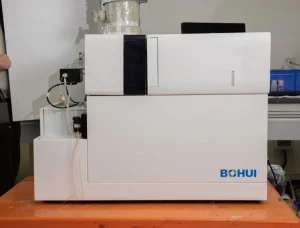
Bh Ms-Icp1000 Pediatric Nutrition & Heavy Metal Icp-Ms for Healthy Development

Customization: Available
Classification: Physiological Functions of Diagnosis and Monitoring Equipment
Type: Trace Element Analyzer

Product Description

Overview

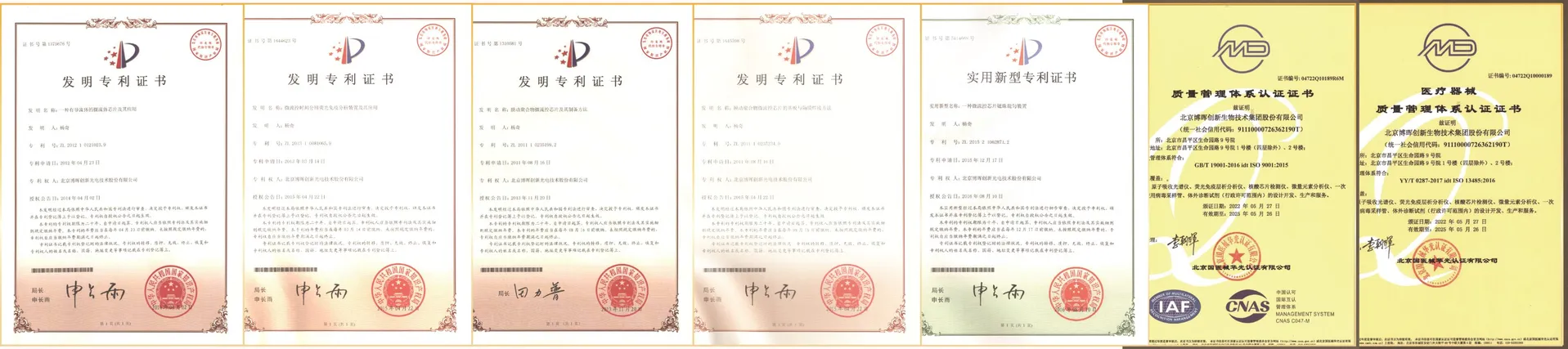
Model NO. BH MS-ICP1000 Certification ISO13485, Nmpa
Weight 115kg Detection Limit Ppt Level
Detection Deviation ≤5% Real-Time Detection Time 1.5 Mins/Test
Test Repeatability ≤10% Correlation Coefficient R≥0.995
Power Supply Voltage:220V; Frequency: 50Hz; HS Code 9027300000
Dimension 920mm x 660mm x 700mm Origin China

Technology Overview

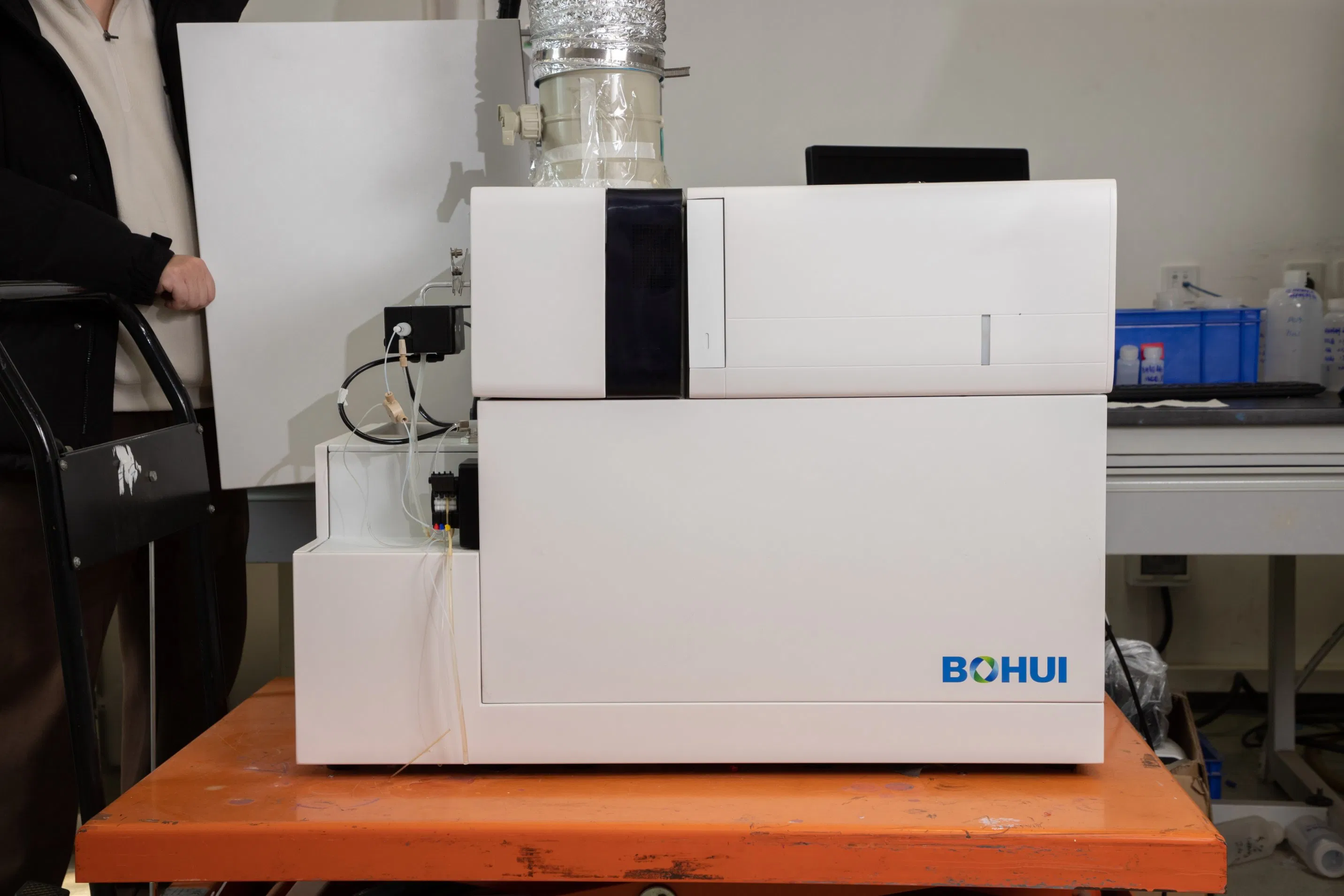
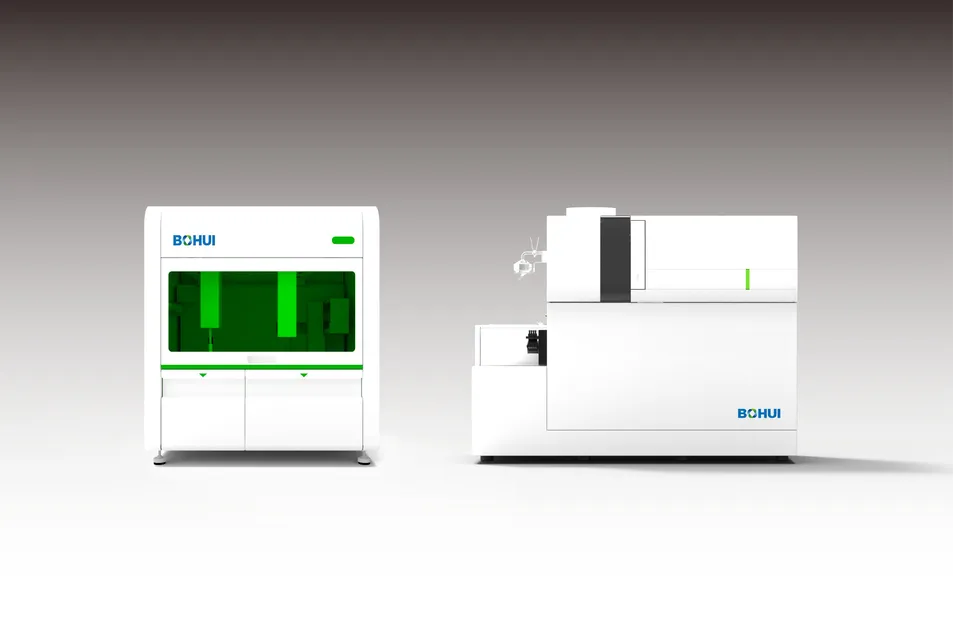
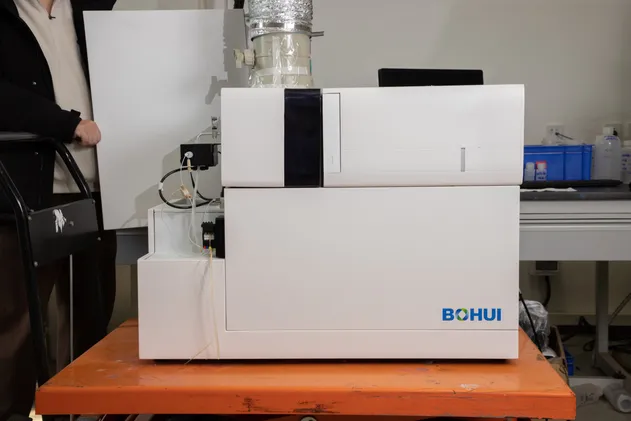
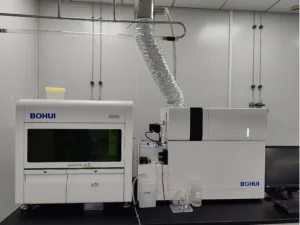
The trace element analyzer is based on Inductively Coupled Plasma Mass Spectrometry (ICP-MS) technology. It utilizes a high-frequency radio frequency (RF) signal to generate a high-temperature plasma that ionizes the analytes. The mass spectrometer then detects the ions' mass-to-charge ratio and intensity, enabling the quantification of elemental concentrations in the sample.
Working Principle
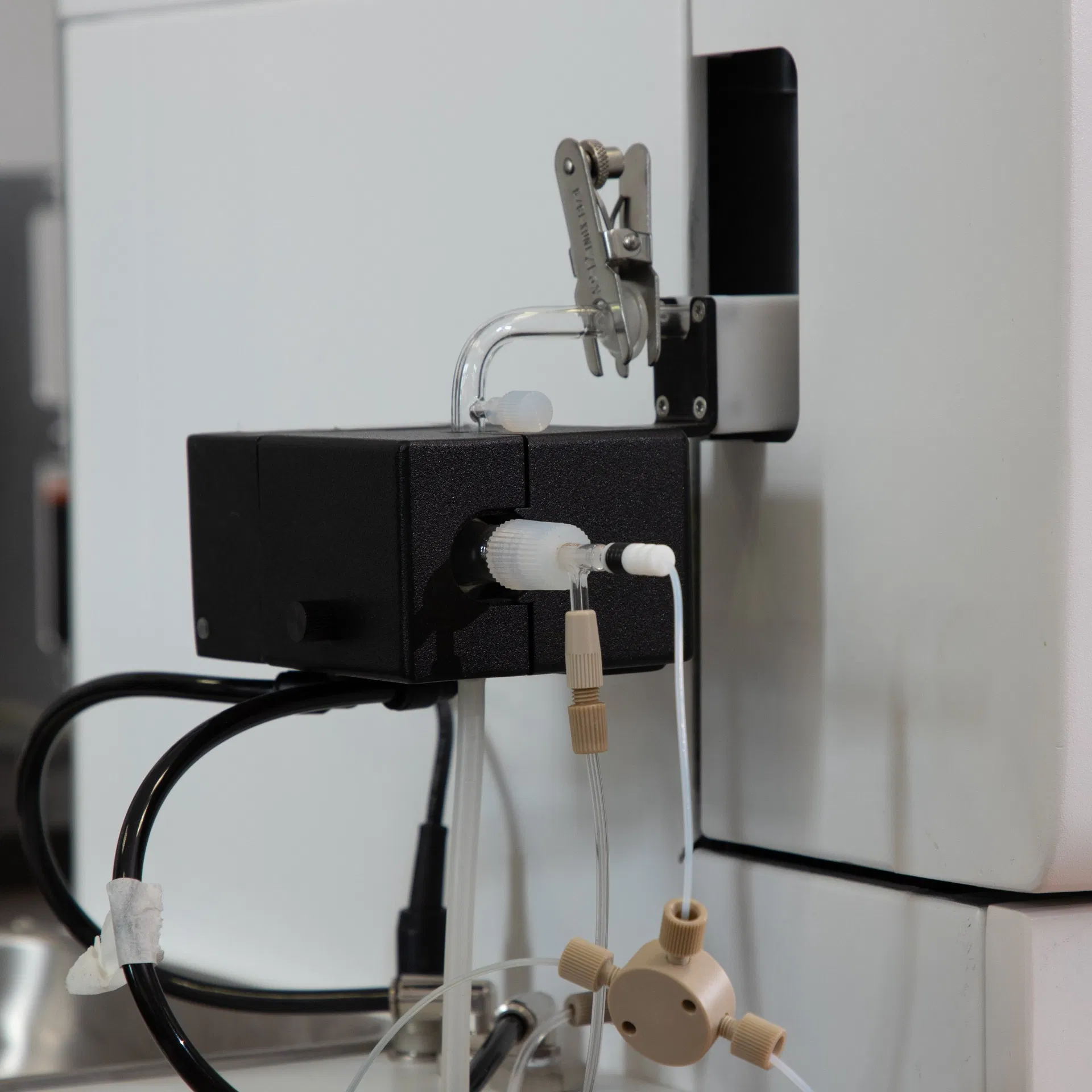
Plasma Where the sample aerosol is atomized and ionized within the plasma.
Mass Spectrometer Separates ions according to their mass-to-charge (m/z) ratios for precise identification.
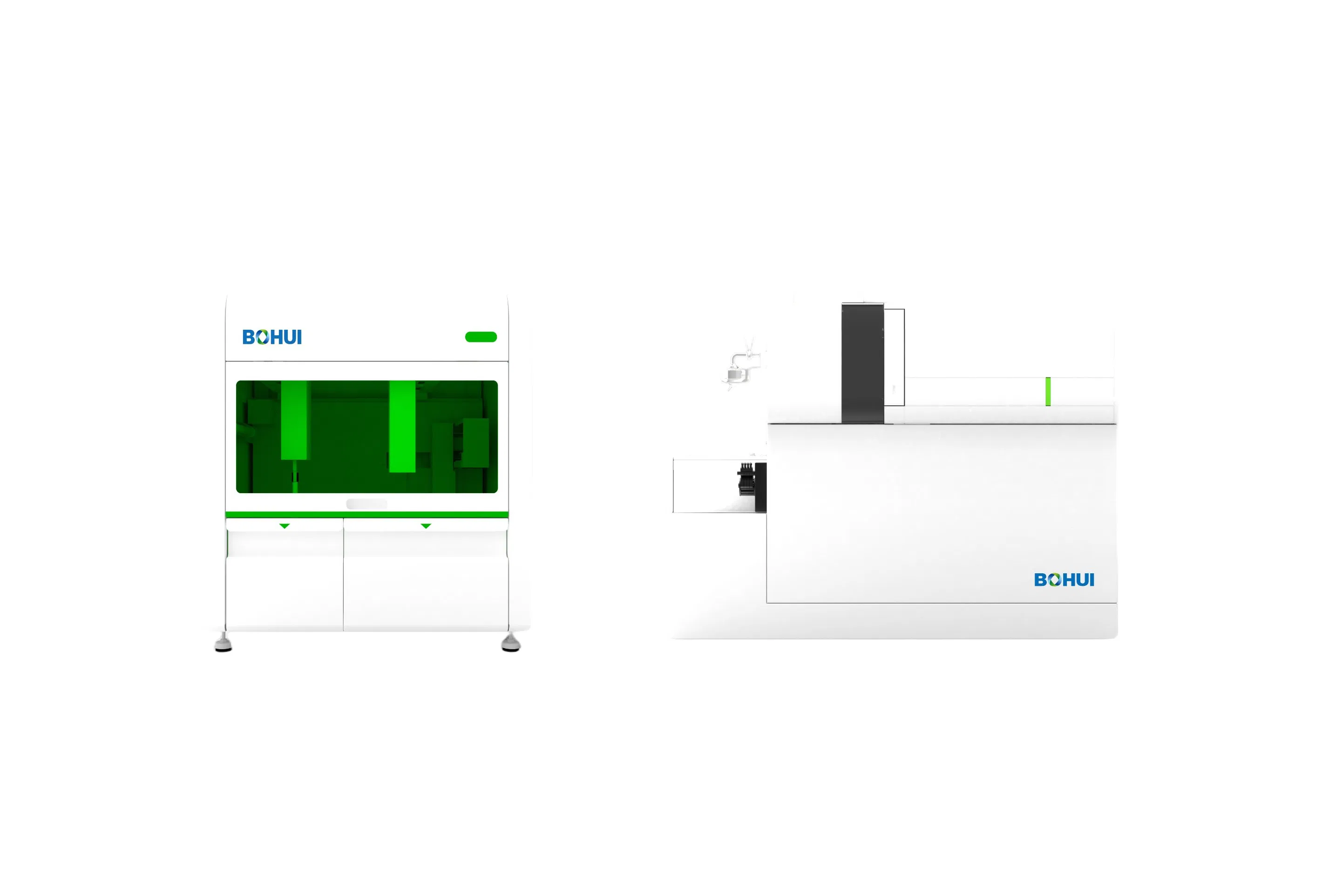
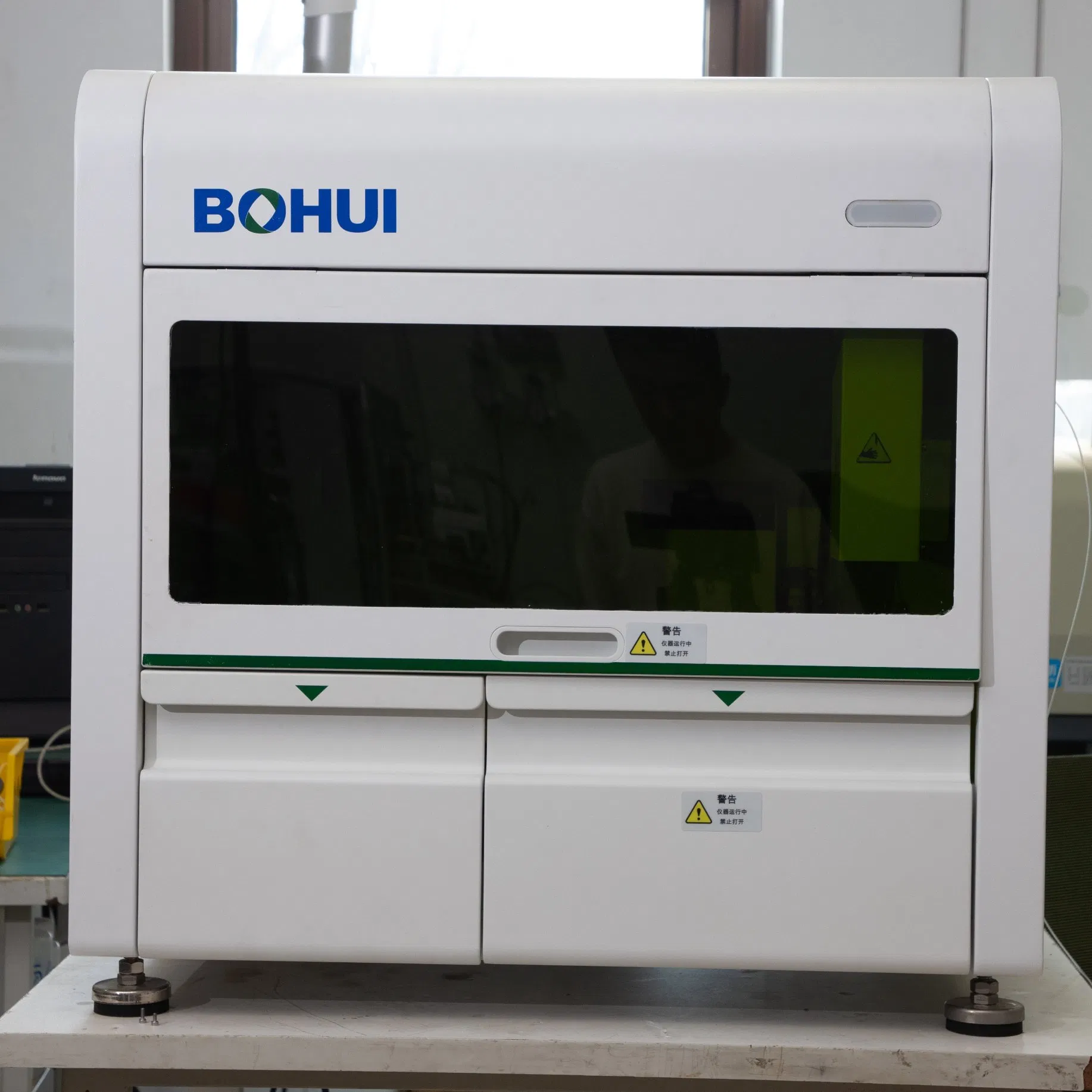
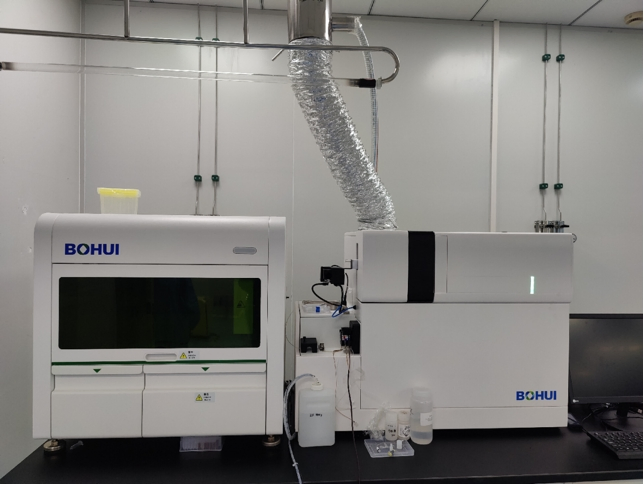
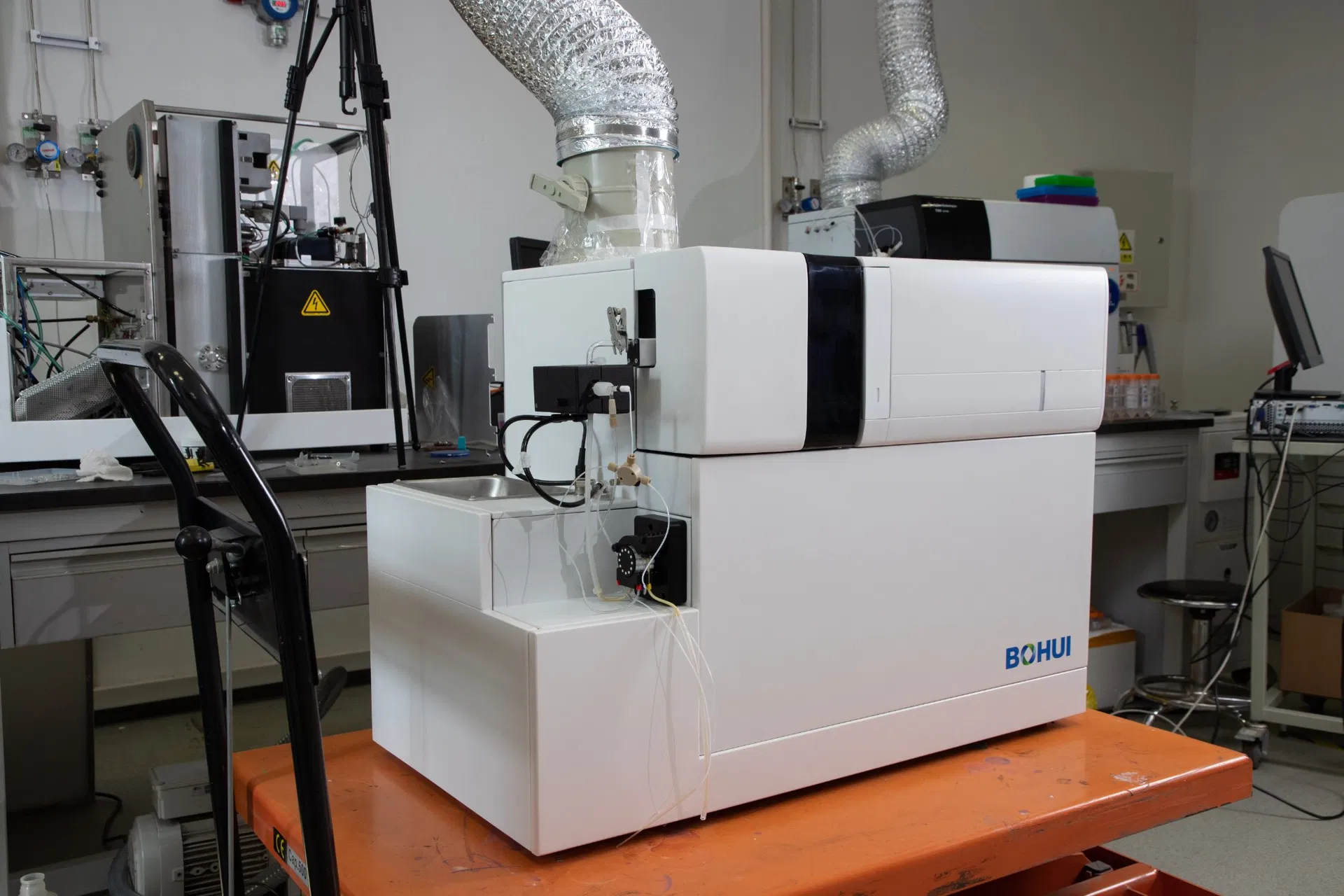
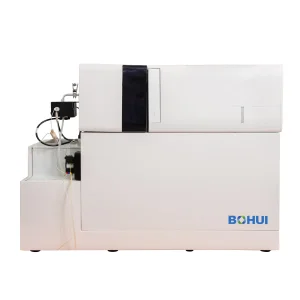
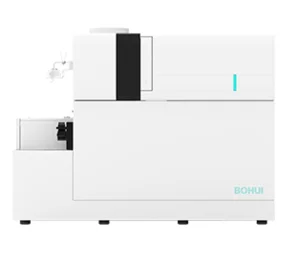
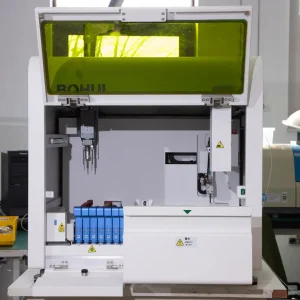
ICP-MS Equipment

Technical Specifications

Technical Specs 1
Technical Specs 2
Technical Specs 3
Feature Details
ModelBH MS-ICP1000/2000
Elements DetectedCopper, Zinc, Calcium, Magnesium, Iron, Lead and others
Sample TypesWhole blood, serum, urine, breast milk
Detection Time1-2 minutes per sample
ScopeIdentify deficiencies and monitor nutritional status
Operating Humidity10-60%
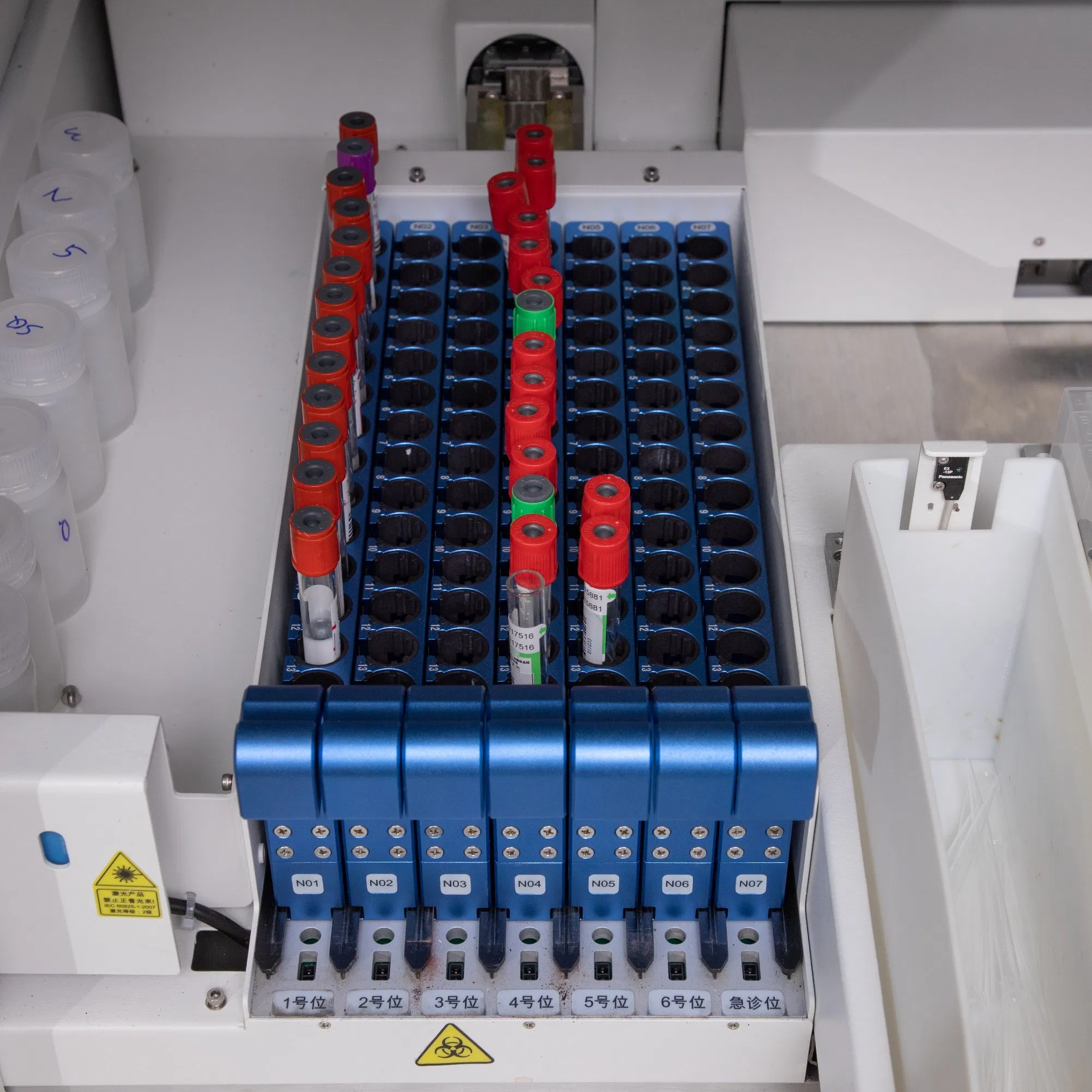
Internal Analysis
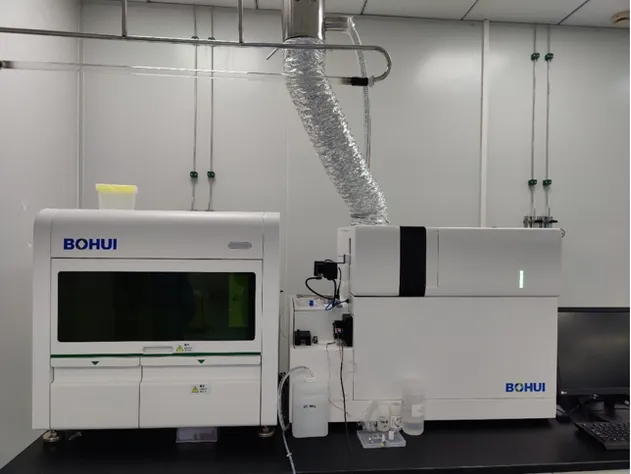
System Workflow
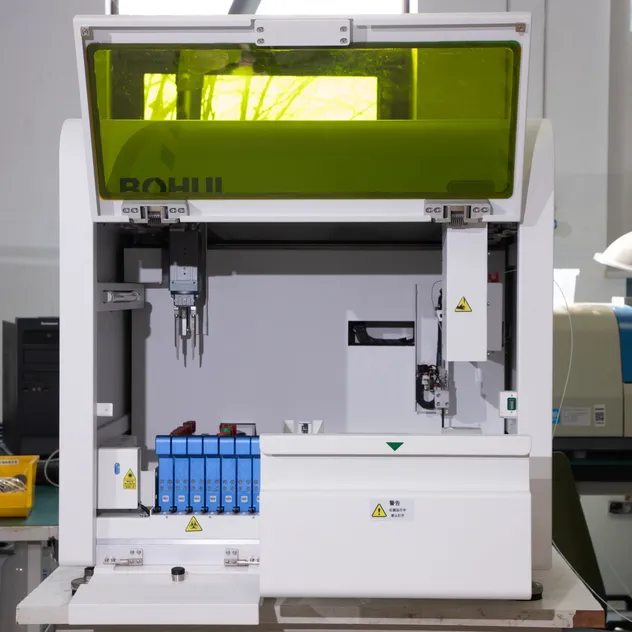
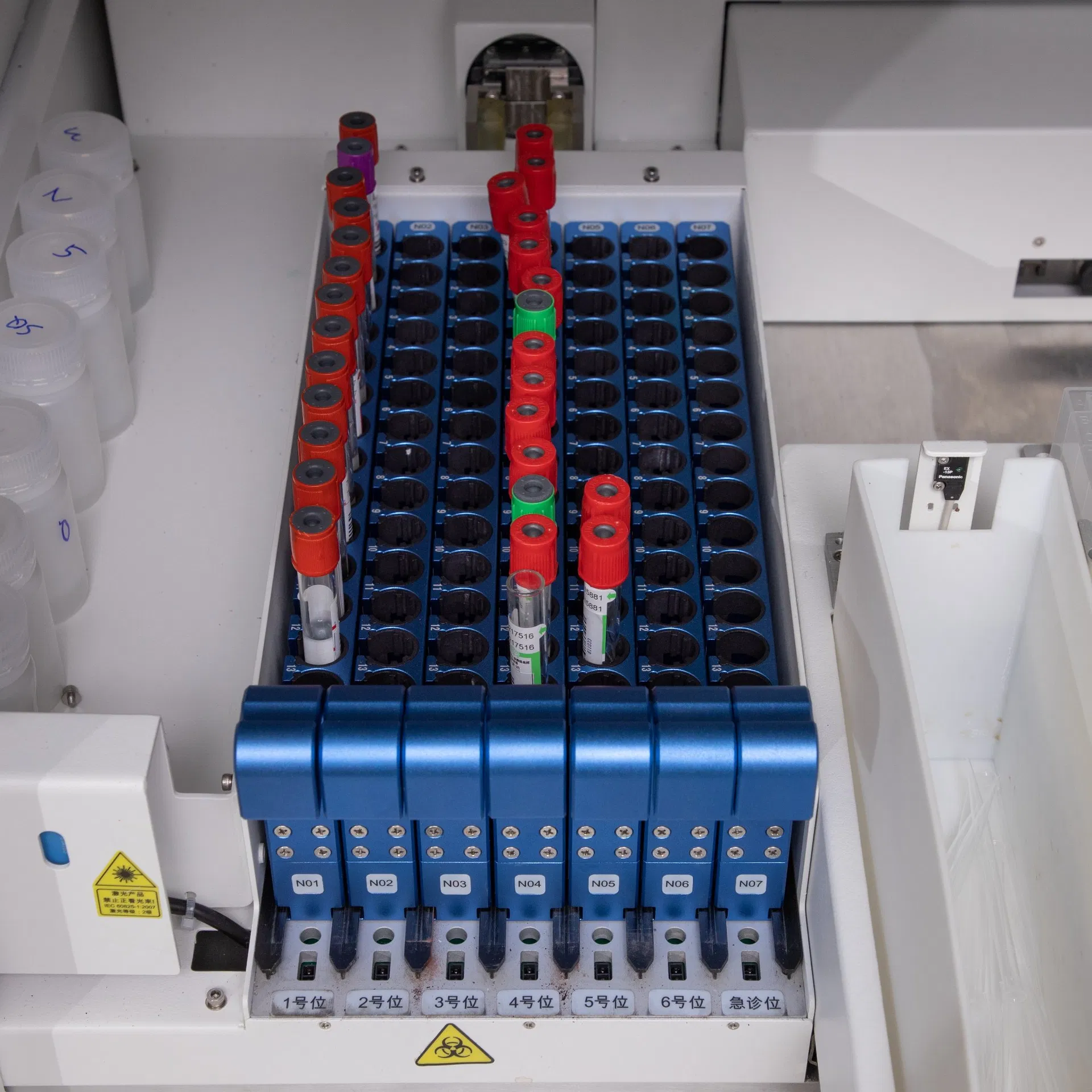
Sample Module

Product Features

Broad Application Supports multiple specimen types including whole blood, serum, urine, and breast milk.
Rapid Detection Requires minimal sample volume and detects dozens of elements in a single run.
Easy Operation 90° quadrupole deflection system prevents direct alignment of plasma beam, enhancing stability.
Enhanced Safety Octopole collision cell combined with kinetic energy discrimination eliminates polyatomic ion interferences.
🏢

Group Profile

Group Banner

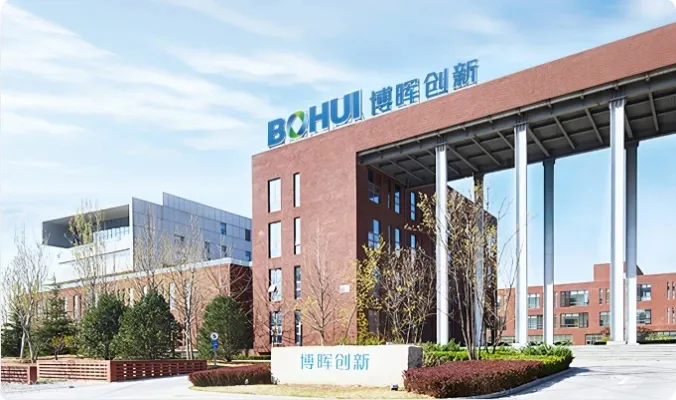
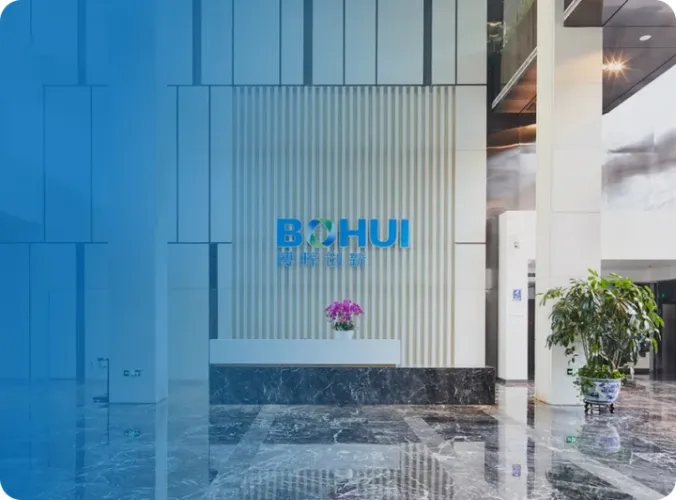
Founded in 2001, we have evolved into a high-tech biomedical enterprise that integrates R&D, production, sales, and after-sales service into a comprehensive system. We operate a 40,000-square-meter integrated R&D center and are publicly listed on the Shenzhen Stock Exchange.
R&D Center
Production Line
Innovation Capabilities

Our In Vitro Diagnosis division boasts strong independent R&D capabilities. Through continuous innovation, we have developed technical platforms such as molecular diagnosis, immunoassay, atomic absorption, and mass spectrometry. Our human trace element detection systems are widely used in over 4,000 health institutions, reaching an annual volume of 22 million detections.
?

FAQ

What sample types can be tested with this ICP-MS analyzer?
The system supports various specimen types, including whole blood, serum, urine, and breast milk.
How long does a single test take?
The real-time detection time is approximately 1.5 to 2 minutes per test.
What is the production capacity for this equipment?
The production capacity is approximately 2,000 units per month, along with 1 million person-time reagents.
Is the equipment suitable for pediatric nutrition monitoring?
Yes, it is specifically designed to identify essential element deficiencies and monitor heavy metal levels in children and infants.
What elements can be detected simultaneously?
The ICP-MS technology allows for the detection of Copper, Zinc, Calcium, Magnesium, Iron, Lead, and dozens of other elements in a single run.
What is the shipping lead time?
Products are generally kept in stock and can be shipped within 7 days of order confirmation.

Related Products