TreonFit Nutrition
1 / 5
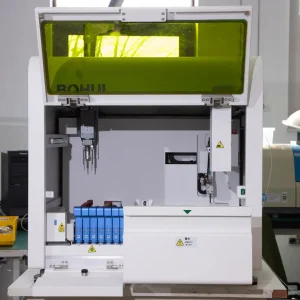
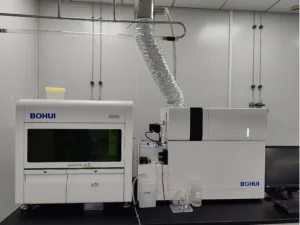
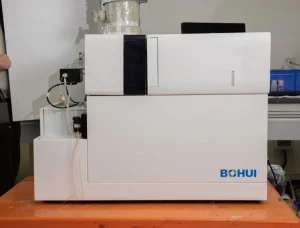
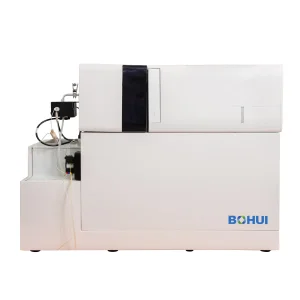
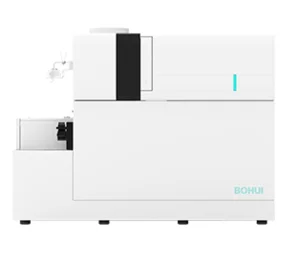
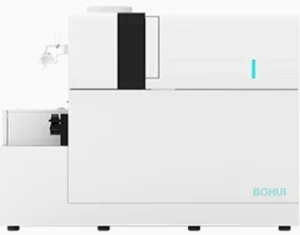
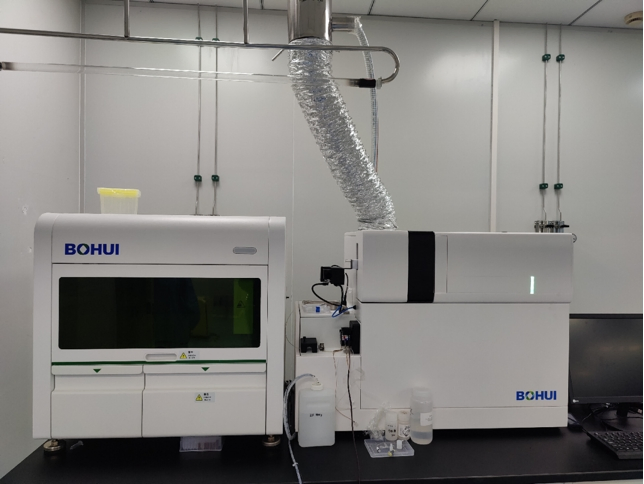
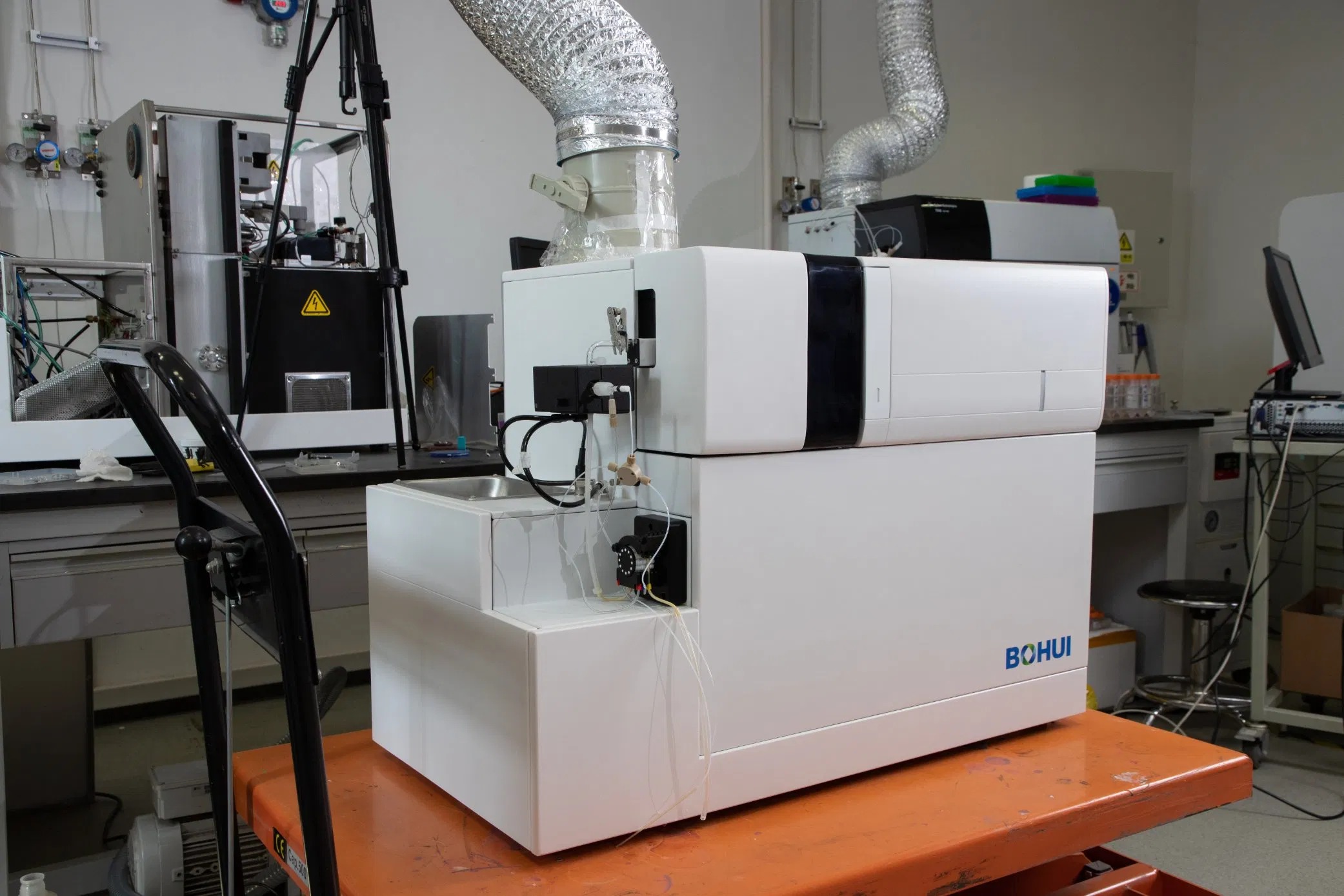
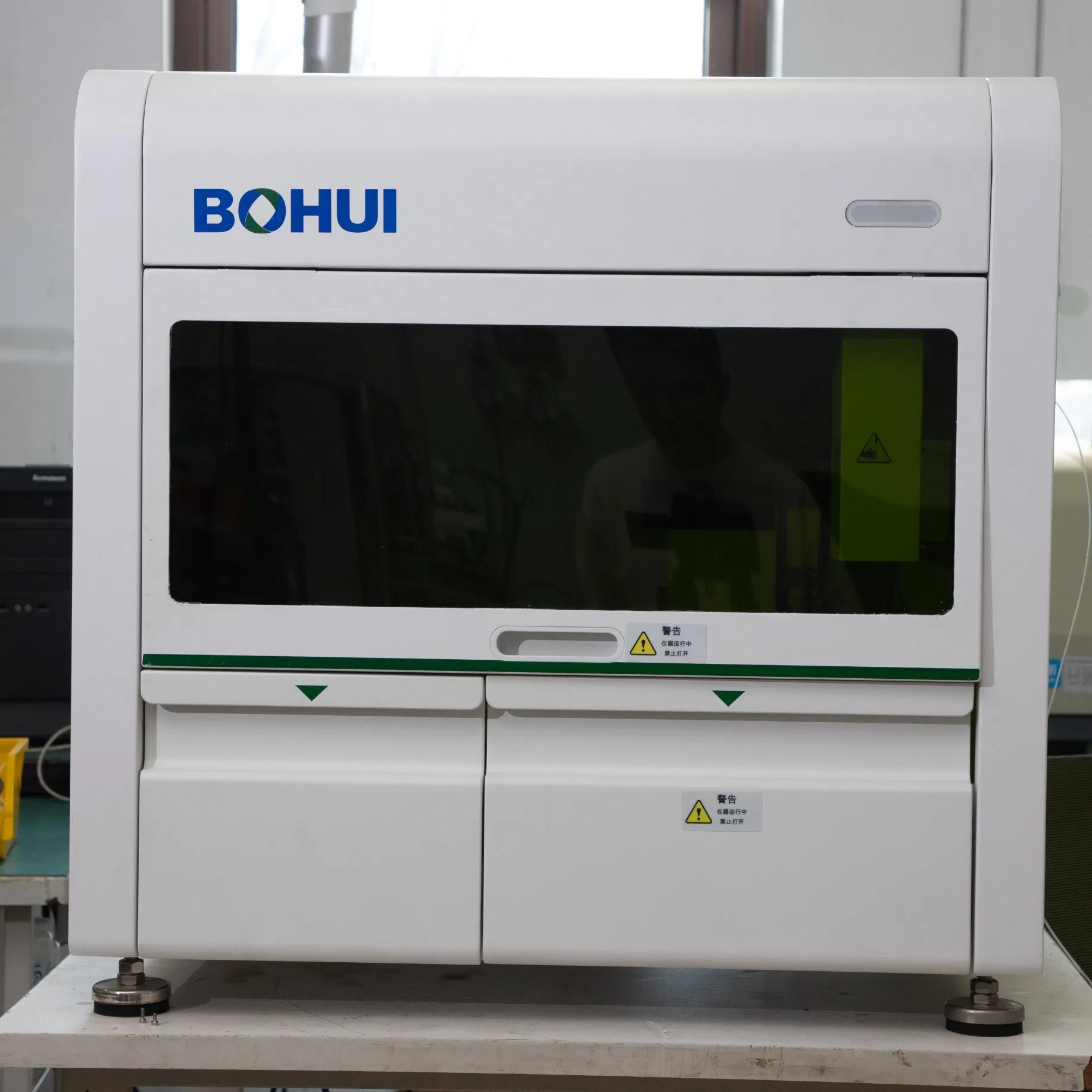
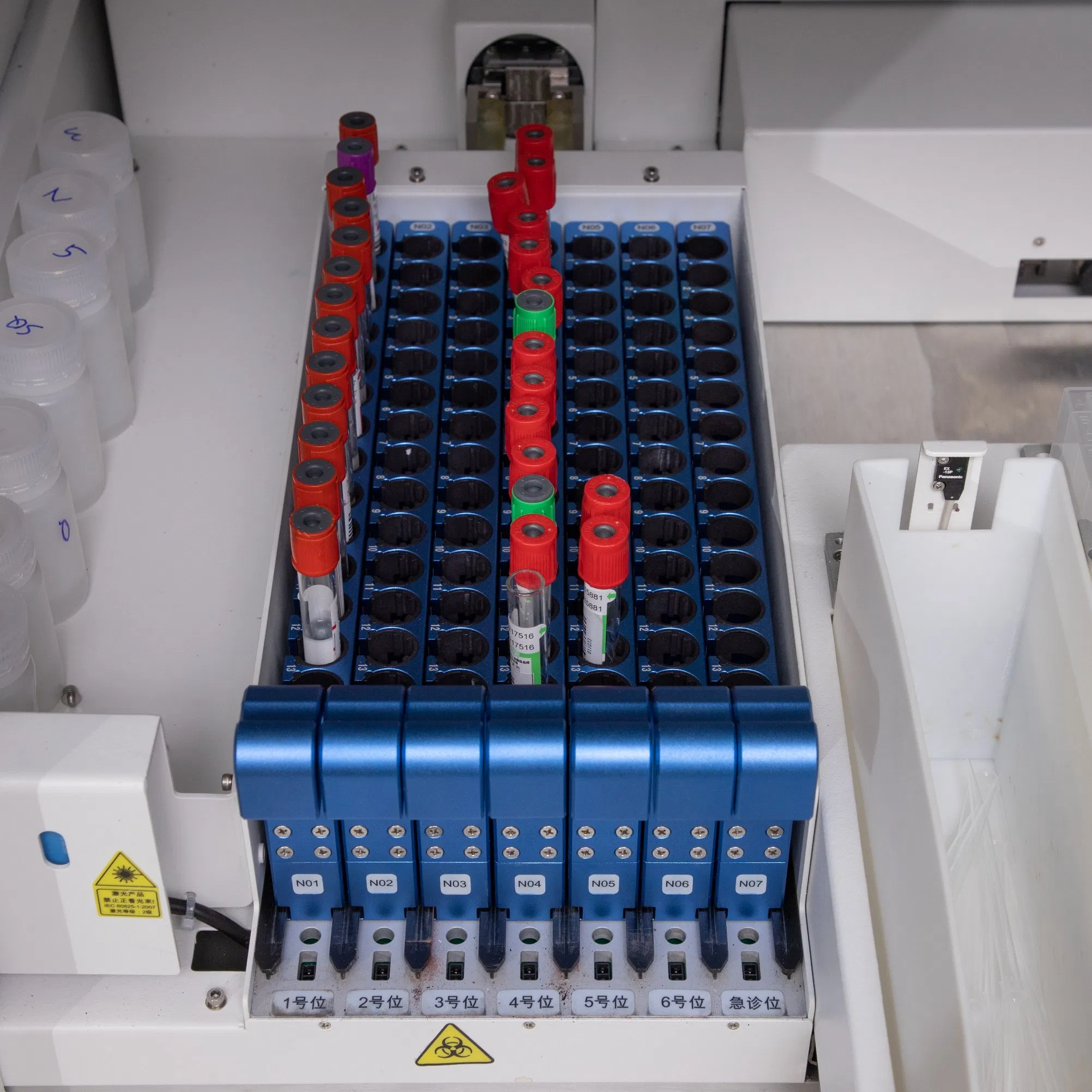
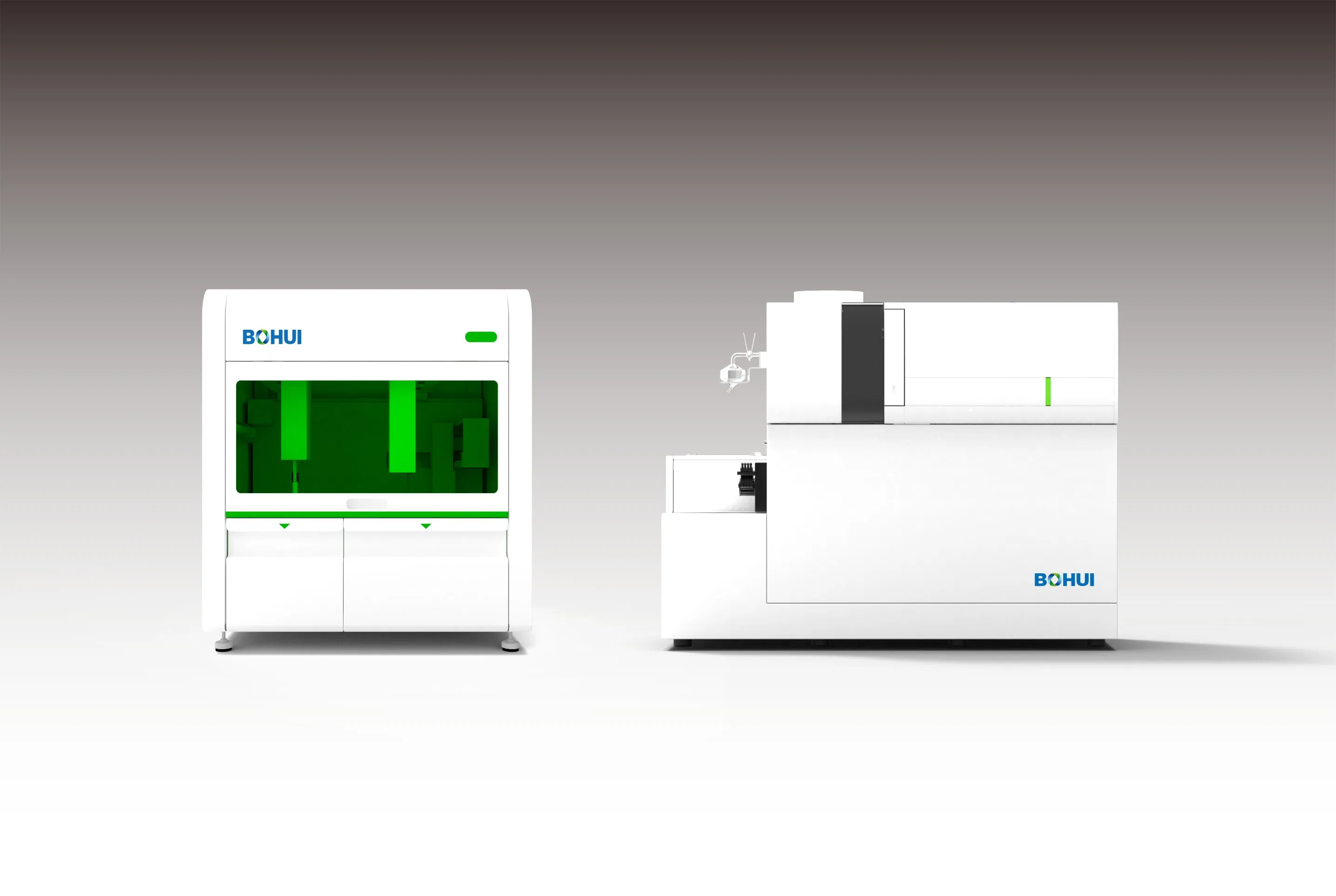
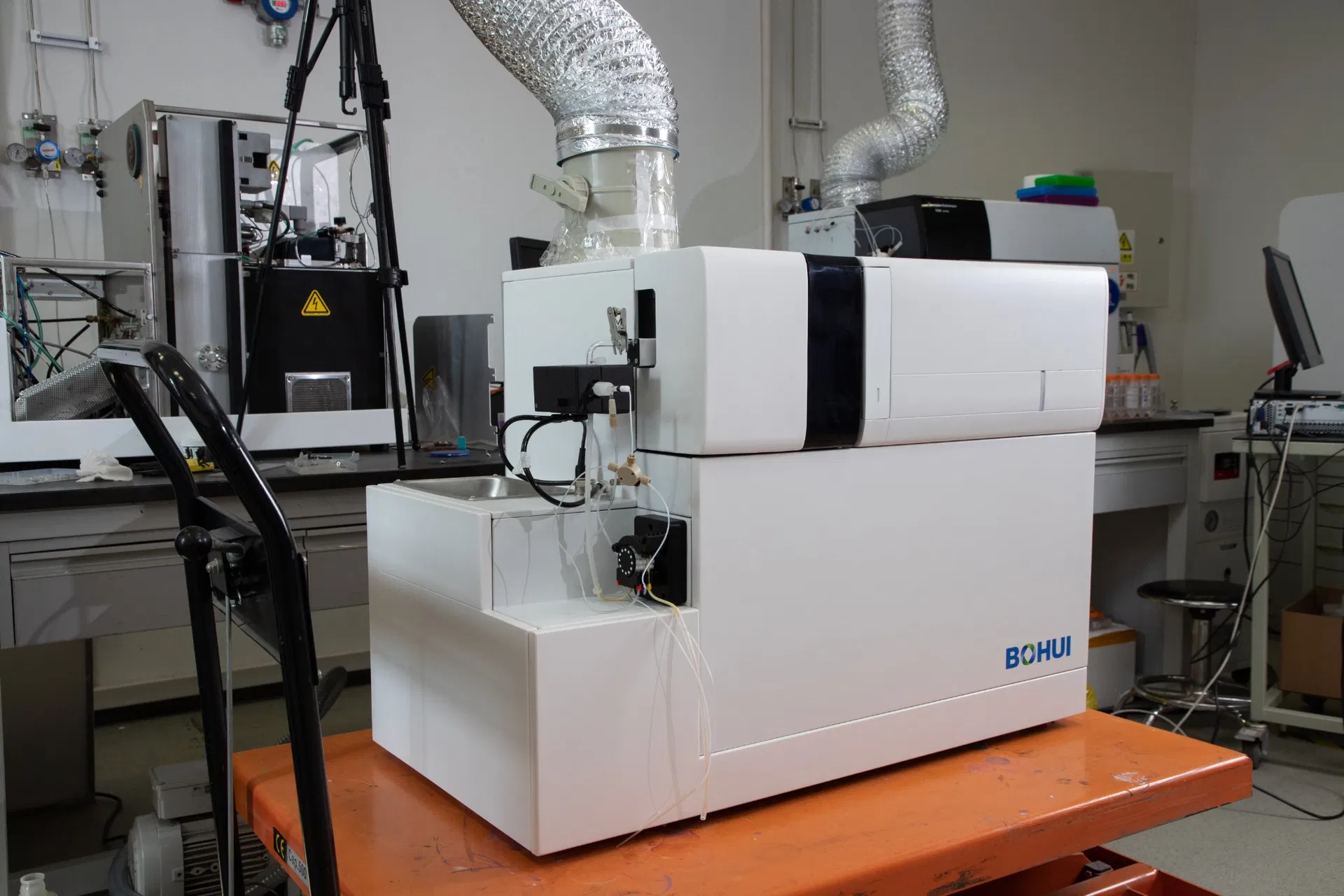
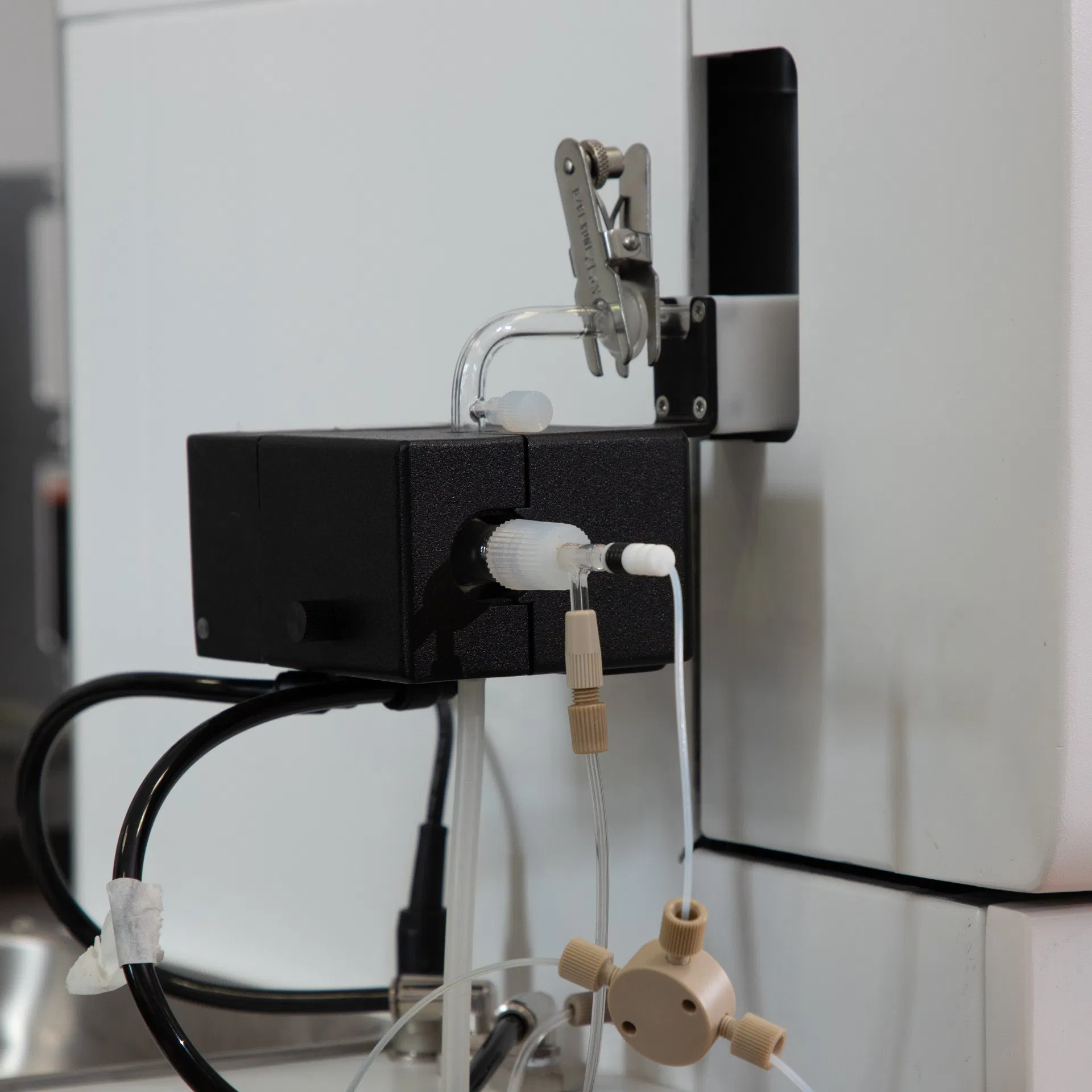
The trace element analyzer is based on Inductively Coupled Plasma Mass Spectrometry (ICP-MS) technology. It utilizes a high-frequency radio frequency (RF) signal to generate a high-temperature plasma that ionizes the analytes. The mass spectrometer then detects the ions' mass-to-charge ratio and intensity, enabling the quantification of elemental concentrations in the sample.
Working Principle:
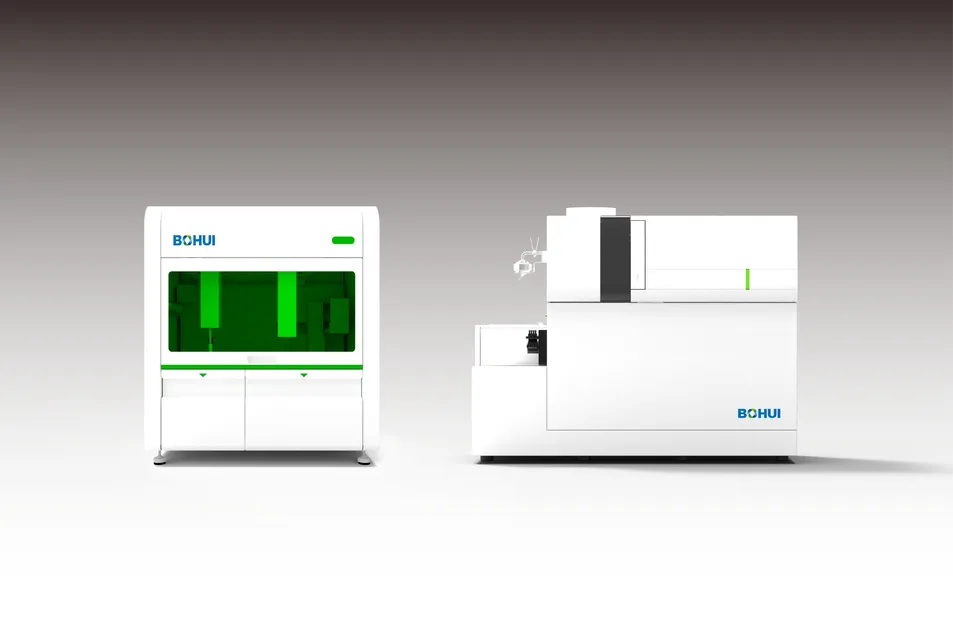
| Model | BH MS-ICP1000/2000 |
| Detection method | Inductively Coupled Plasma Mass Spectrometry (ICP-MS) |
| Elements detected | Copper, Zinc, Calcium, Magnesium, Iron, Lead and so on |
| Detection time | 1-2 minutes per sample |
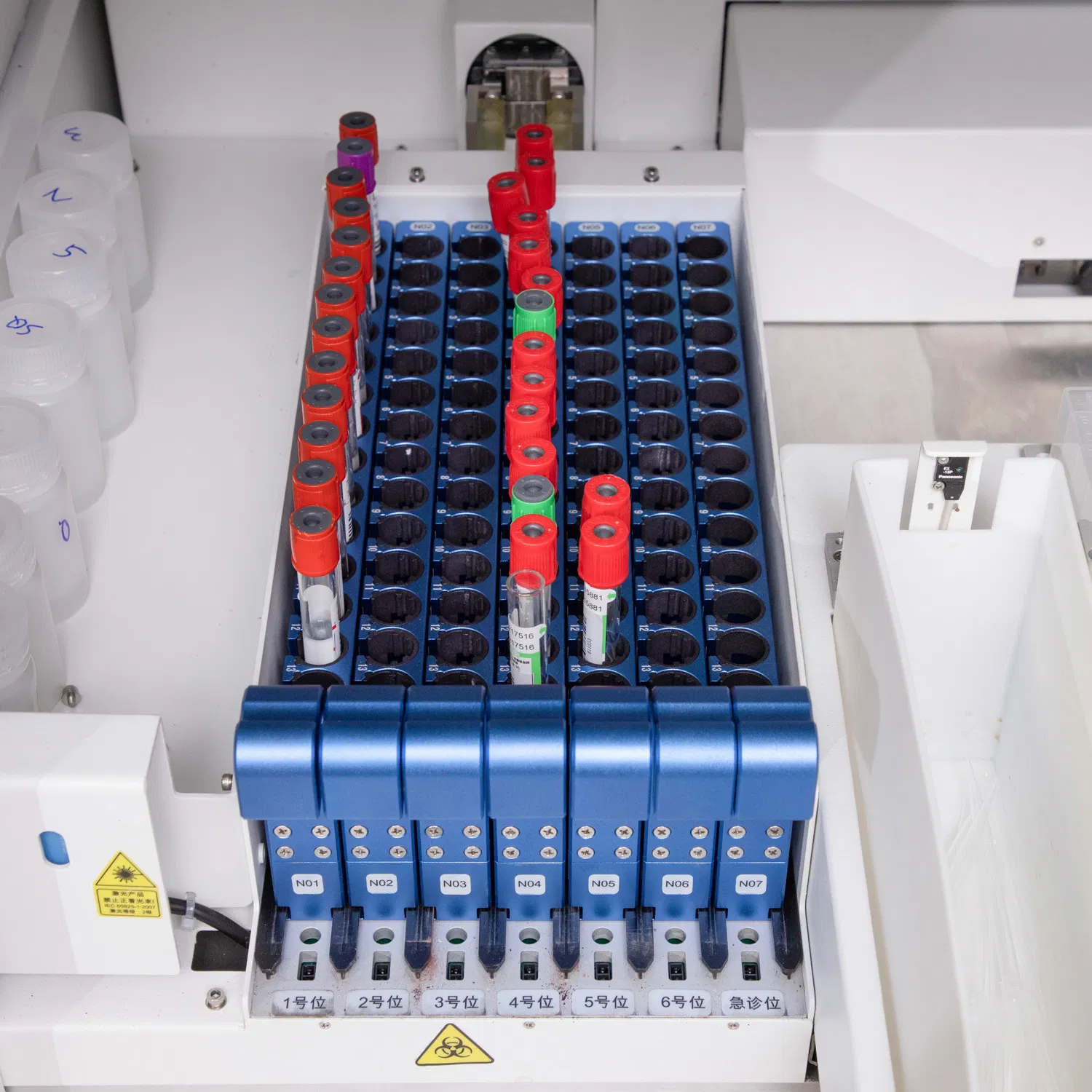
| Sample Types | Whole blood, serum, urine, breast milk |
| Detection Limit | ppt level |
| Detection Deviation | ≤10% |
| Dimension | 920mm x 660mm x 700mm |
| Operating Temp | 15-30℃ |
| Operating Humidity | 10-60% |
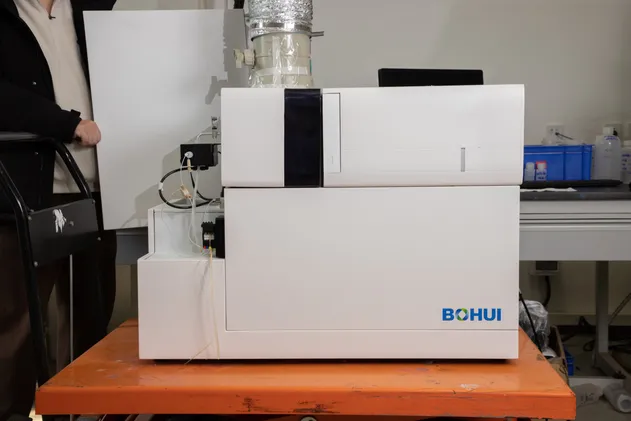
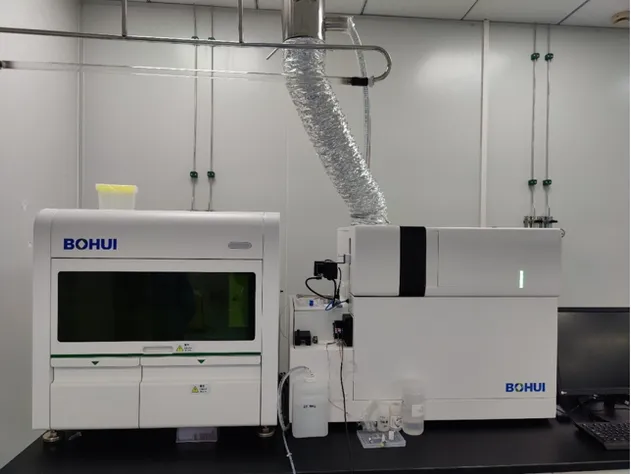
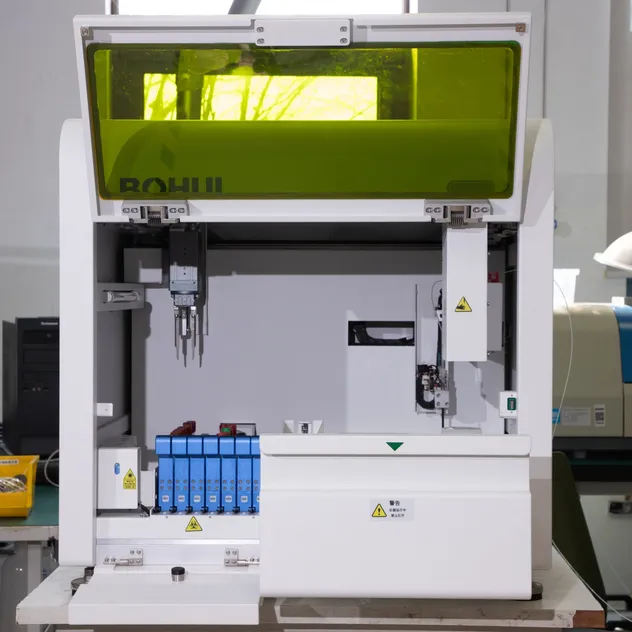
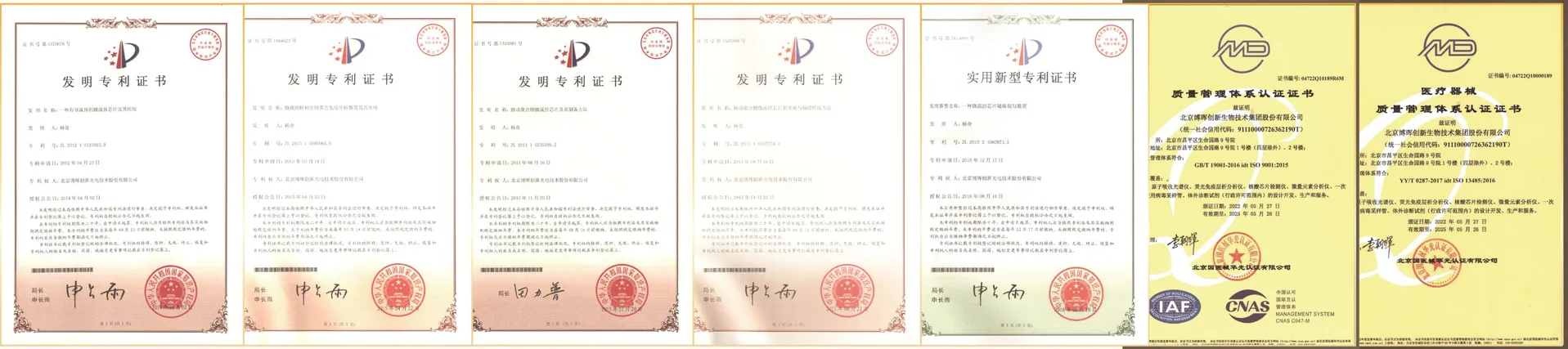
Founded in 2001, the group has evolved into a high-tech biomedical enterprise that integrates R&D, production, sales, and after-sales service. Operating a 40,000-square-meter integrated R&D center, the company is listed on the Shenzhen Stock Exchange ChiNext.


Strong independent R&D capabilities with professional technical platforms in molecular diagnosis, immunoassay, and mass spectrometry. Our systems are used in over 4,000 hospitals.
Acclaimed for "laboratory on a chip" microfluidic technology and world-class mass spectrometry products through global acquisitions.