TreonFit Nutrition
1 / 5
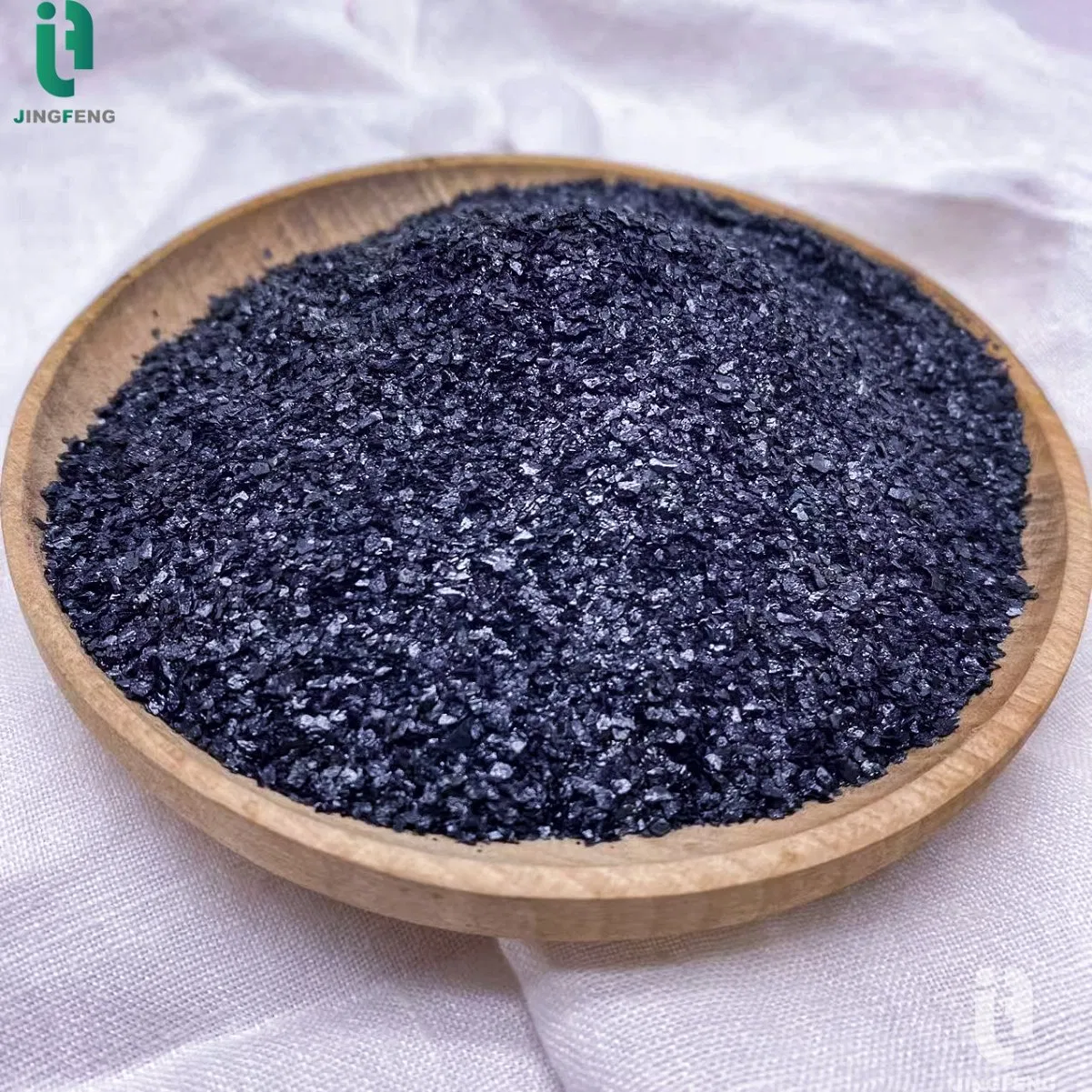
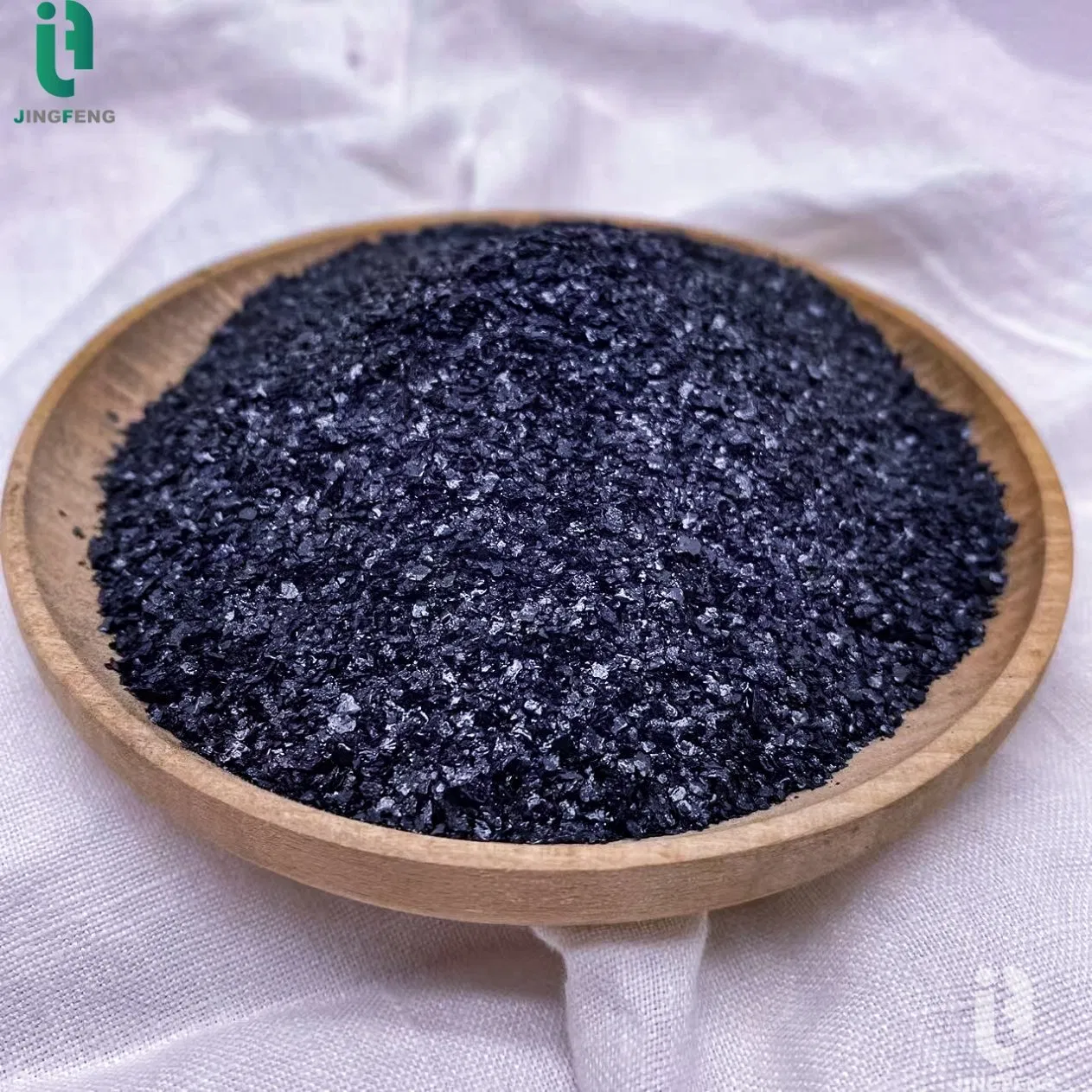
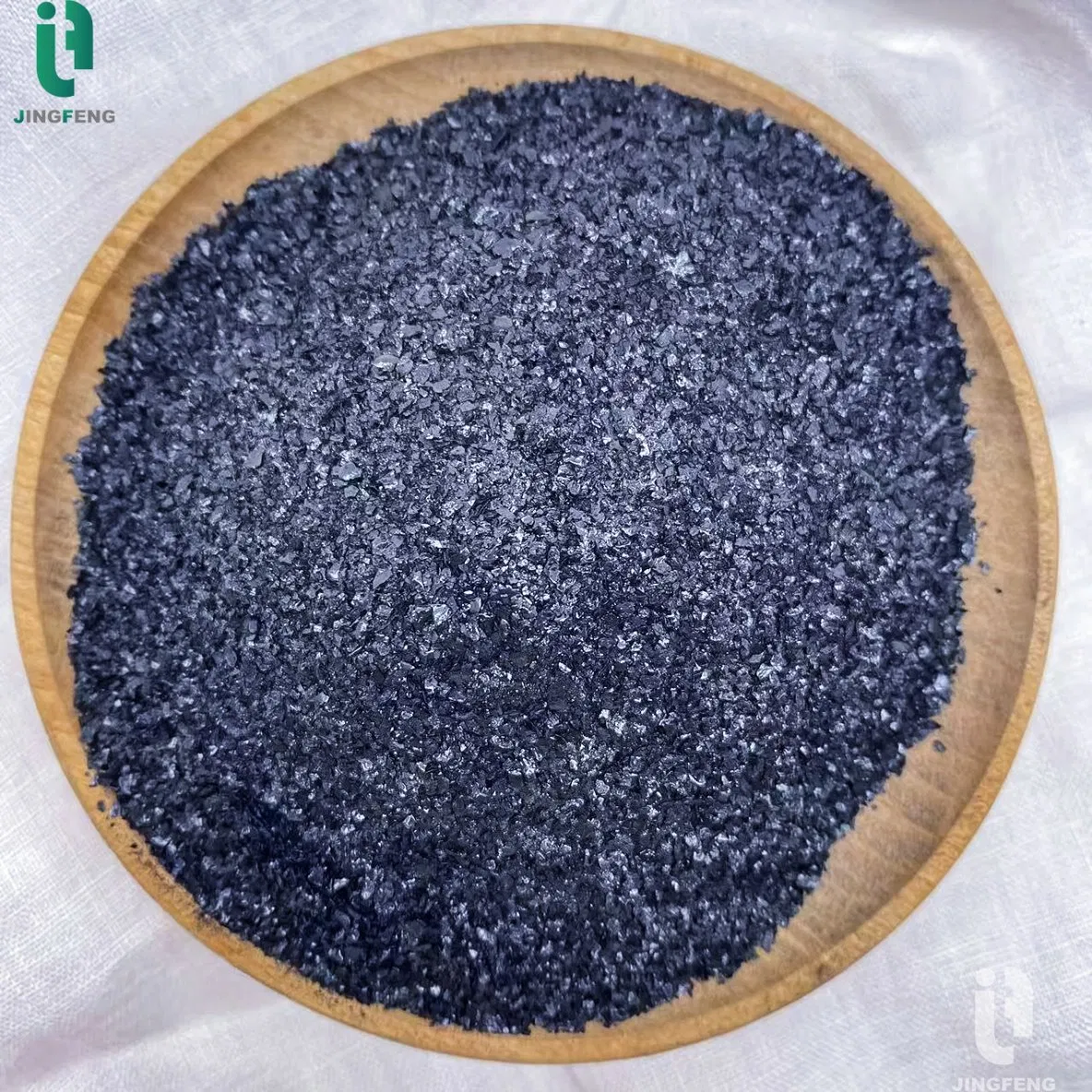
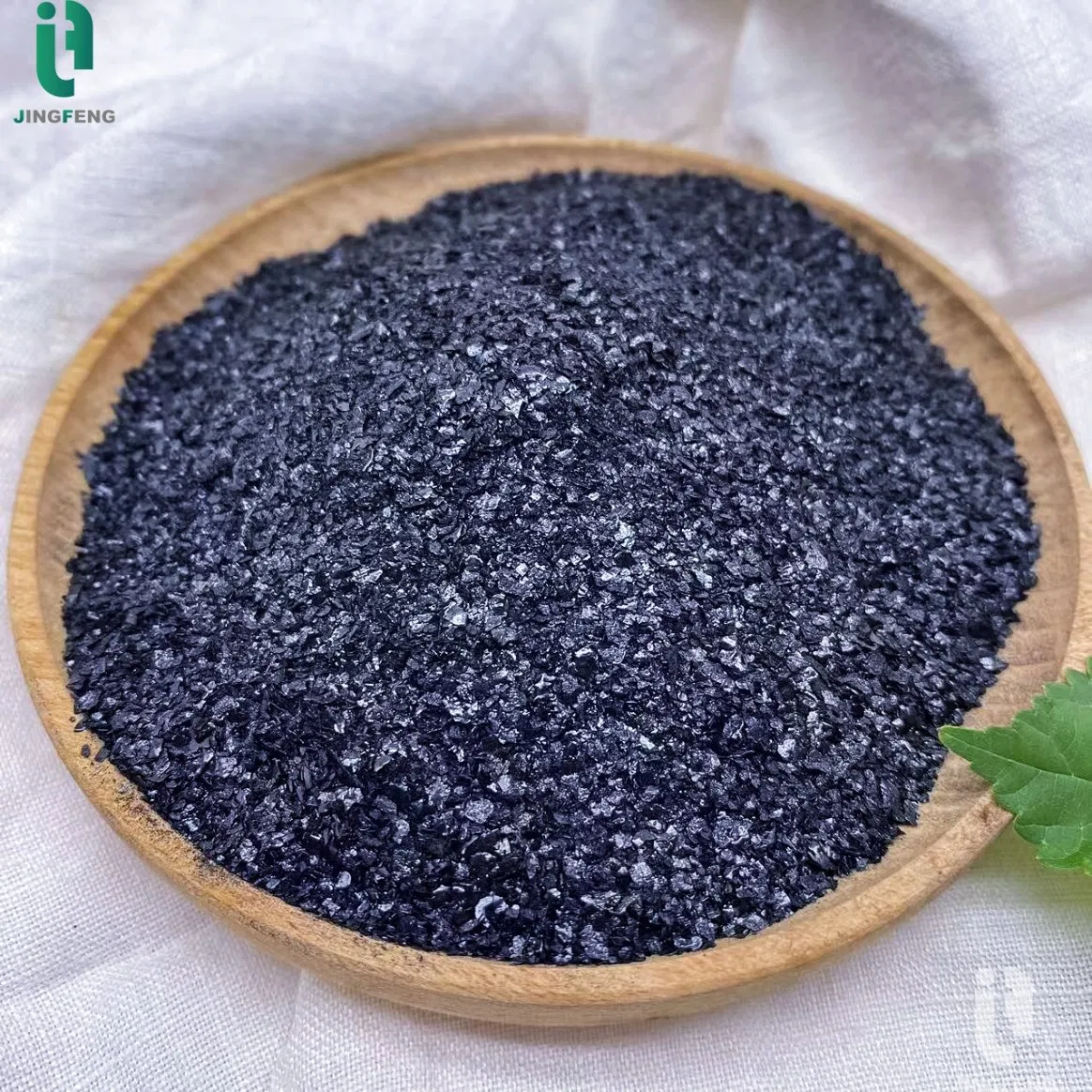
| Model NO. | JFHA-FA-F |
|---|---|
| EINECS | 215-809-6 |
| Certification | Ceres, Omri |
| Application | Vegetables, Flowers, Fruit |
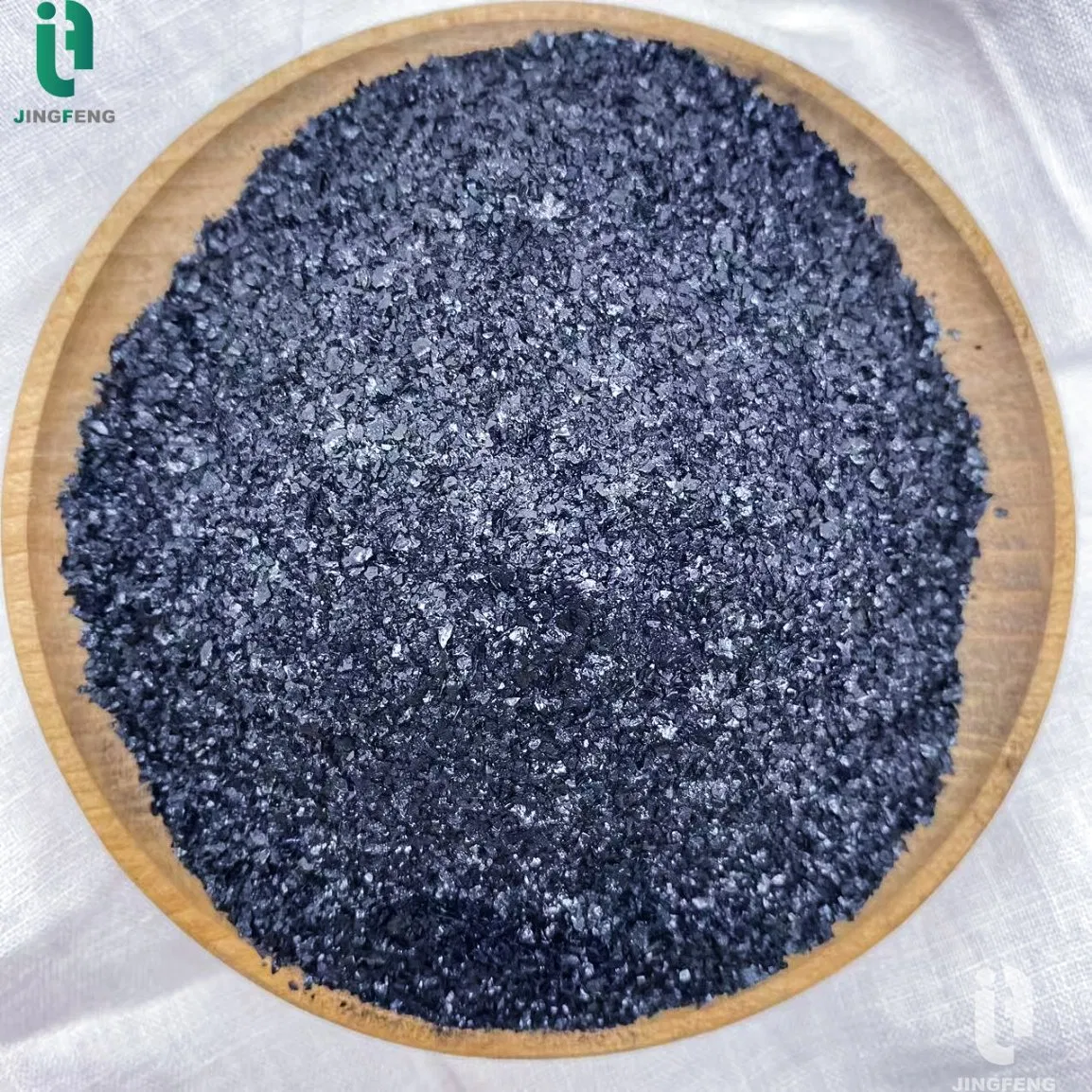
| Appearance | Flake |
| Infection on Soil | Physiological Neutral |
| Chemical Character | Chemical Alkaline |
| Release Type | Quick |
| Water Solubility | 100% |
| Potassium | 12.0% Min |
| Humic Acid (Dry Basis) | 55.0% Min |
| Fulvic Acid (Dry Basis) | 55.0% Min |
| Moisture | 10.0% Max |
| Flocculation Limit | 230mg Cao Per 1L Water |
| Particle Size | 1-2mm / 2-4mm |
| pH | 9-10 |
| HS Code | 3824999999 |
| Specification | JFHA-FA-F/P-1 | JFHA-FA-F/P-2 |
|---|---|---|
| Appearance | Black Flake / Powder | Black Flake / Powder |
| Water Solubility | 100% | 100% |
| Potassium (K2O dry basis) | 12.0% min | 12.0% min |
| Humic Acid (dry basis) | 65% min | 55% min |
| Fulvic Acid (dry basis) | 55% min | 55% min |
| Flocculation Limit | 350mg CaO | 230mg CaO |
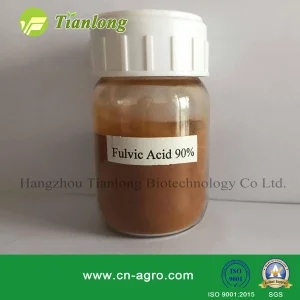
Fulvic acid is a complex organic compound originating from the natural decomposition of plant and animal matter. Primarily found in soil, sediment, and aquatic environments, it plays a crucial role in the ecosystem through humification. This process enhances soil fertility and biodiversity over thousands of years.
Characterized by small molecular weight and high oxygen content, it acts as a powerful chelator, making nutrients highly bioavailable. It facilitates the transport of nutrients across cellular barriers, unlocking significant biological benefits.
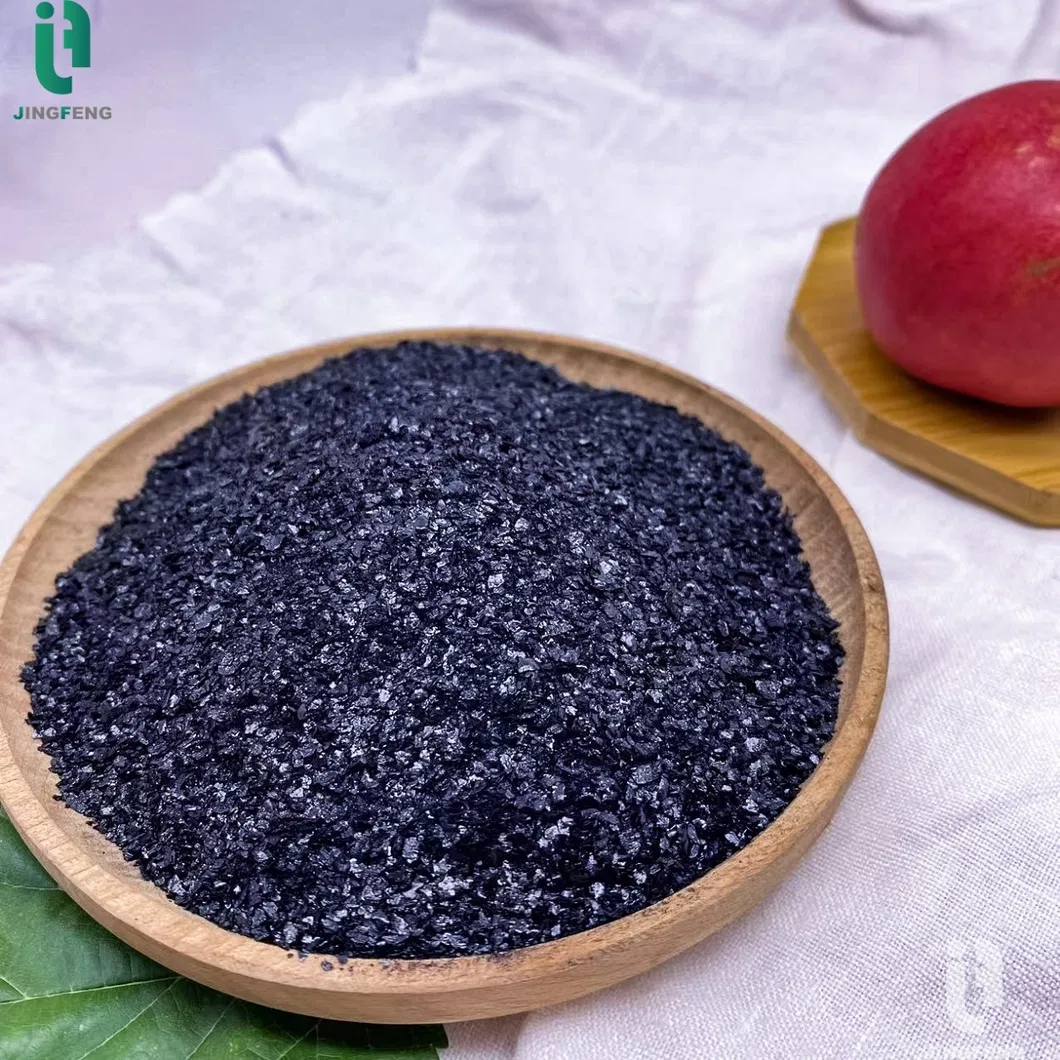
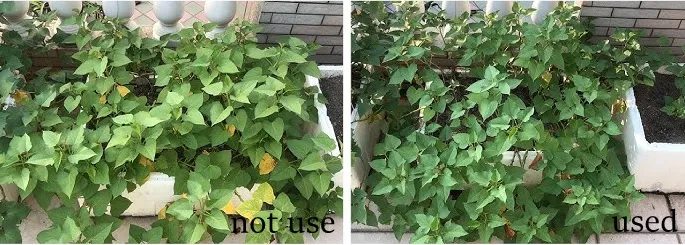
Promotes chlorophyll growth and photosynthesis, improving the accumulation of sugar, fat, and amino acids. It enhances root and leaf growth while chelating heavy metals in the soil to prevent crop absorption, significantly upgrading crop quality.
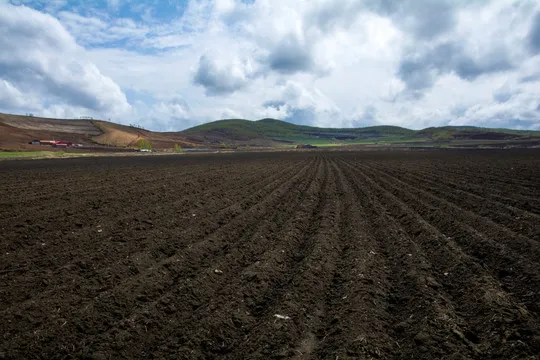
Increases organic matter and improves soil structure. In sandy soil, it fixes nutrients and moisture; in clay soil, it improves breathability. It balances soil pH (ideally 5.5 - 7.0) and stabilizes nitrogen for slow release, making phosphorus and trace elements more accessible.

Increases resilience against abnormal weather, pests, and diseases. Fulvic acid regulates leaf stomata to reduce water transpiration, improving drought and cold resistance by mobilizing potassium ion absorption and promoting enzyme activity.

Fulvic acid acts as a natural fertilizer, enhancing soil fertility and promoting healthy plant growth. Its ability to chelate nutrients allows for better nutrient uptake, leading to robust and resilient crops, essential for modern sustainable agriculture.
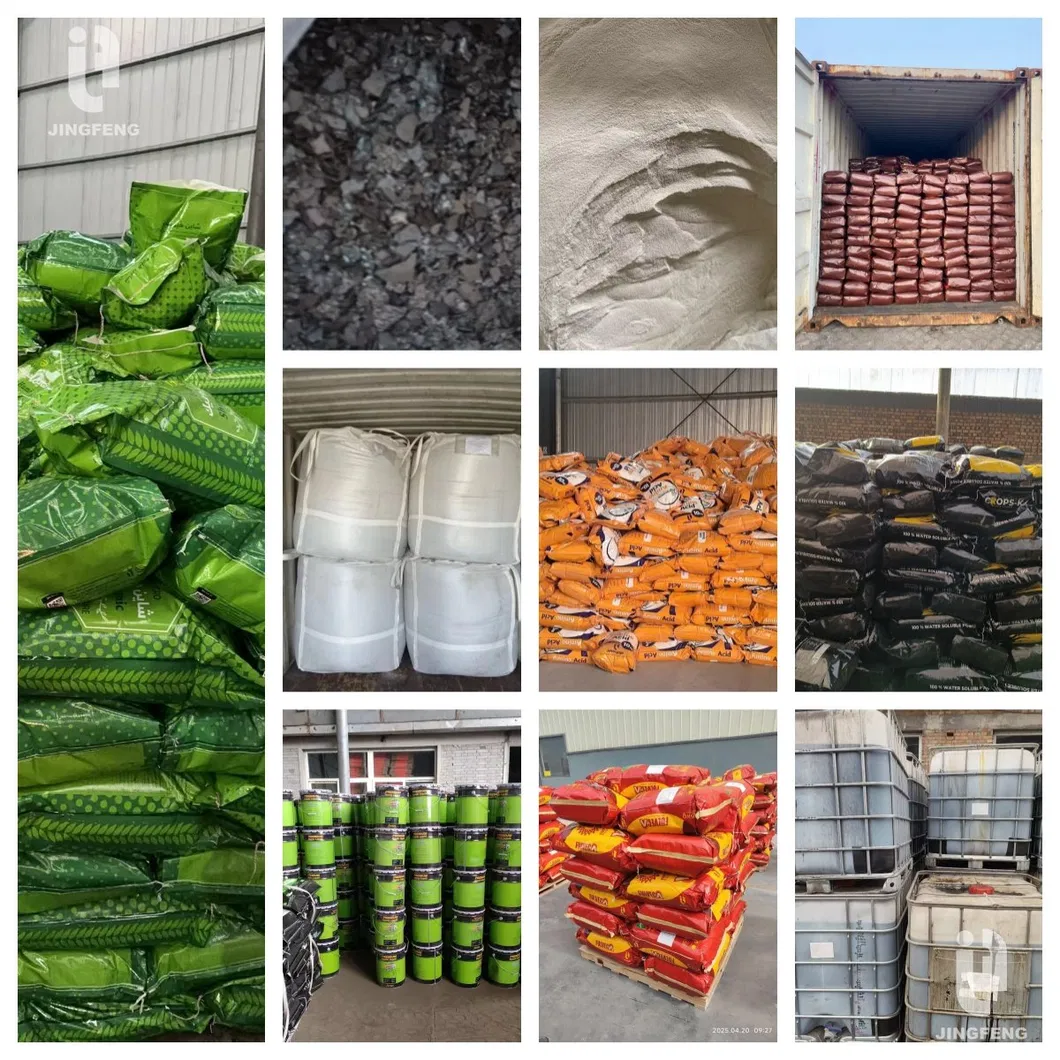
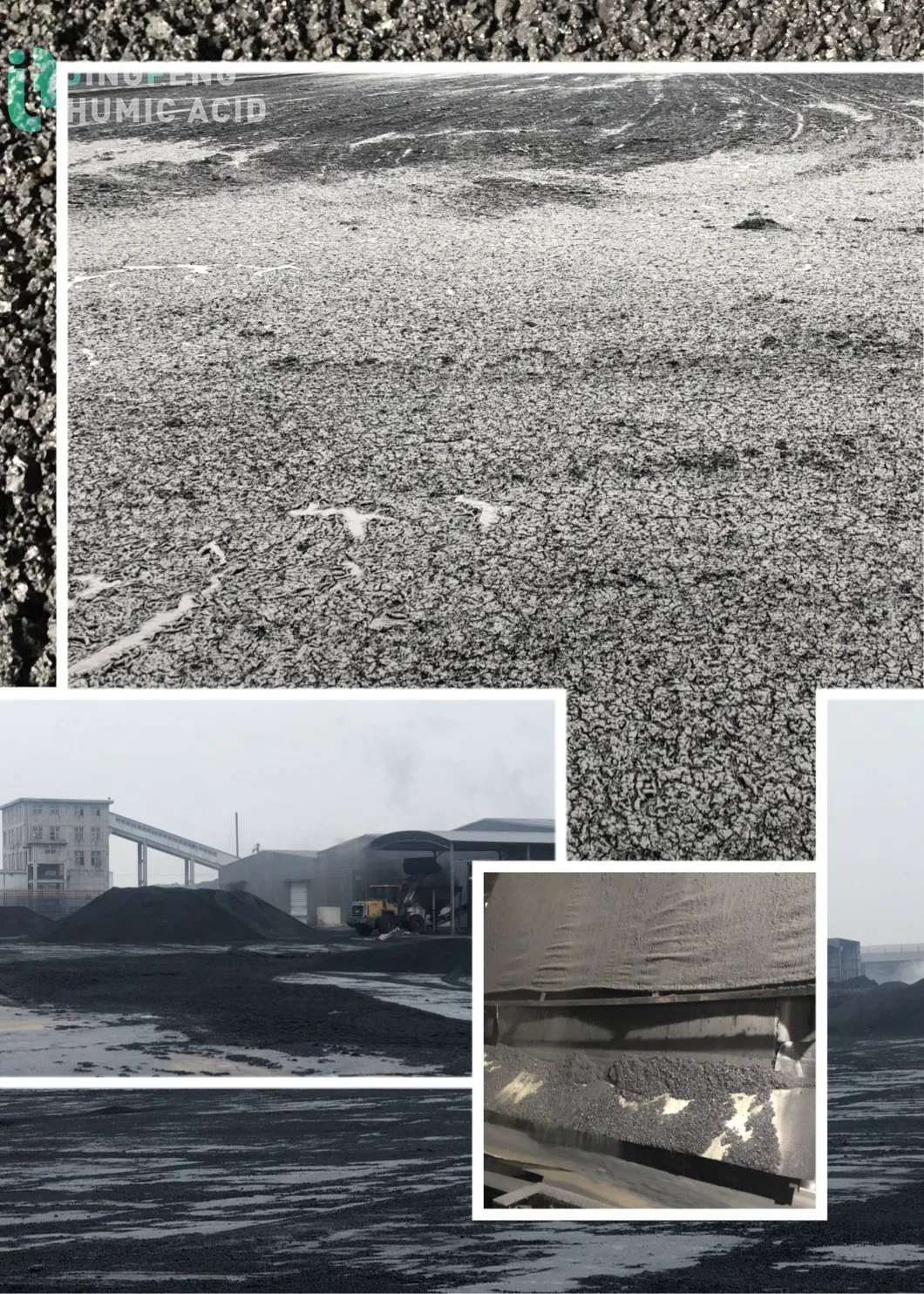
Focusing on green agriculture and human health, we are committed to the development, production, and sale of premium humic acid products. Our research has achieved remarkable results in agricultural humic acid series, feed farming series, and pharmaceutical-grade applications. Our R&D team continues to innovate in fields like food and medicine to develop products with therapeutic effects.


It is a natural organic compound derived from the decomposition of organic matter, rich in nutrients and minerals, used to enhance soil fertility and plant growth.
In sandy soils, it helps retain moisture and nutrients. In clay soils, it creates a crumb structure that improves aeration and water penetration.
Yes, spraying fulvic acid with or after pesticides, fungicides, or herbicides can improve efficacy and help degrade residues.
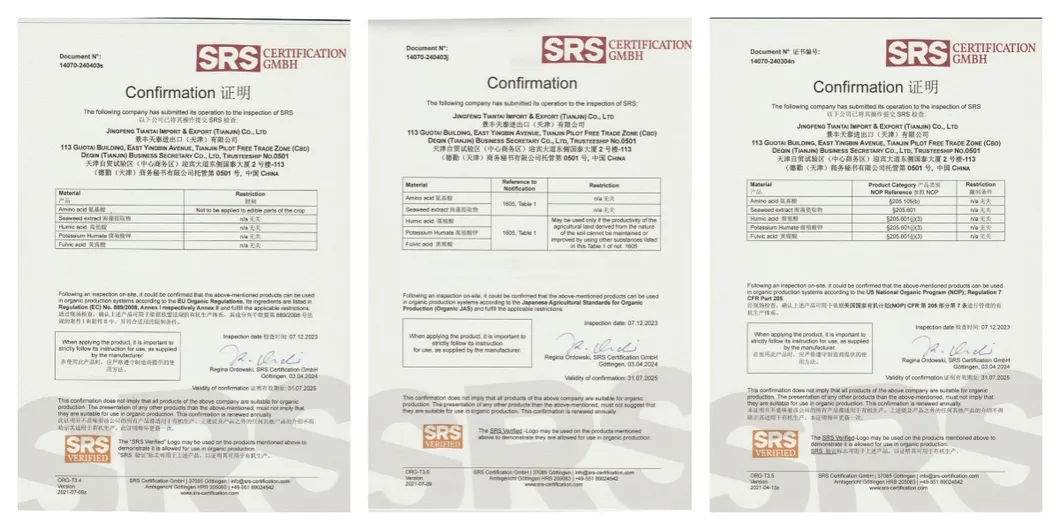
Look for products with 100% water solubility and reputable third-party certifications like Ceres or Omri, which verify purity and potency.
Yes, it acts as a natural drought-resistant agent by regulating leaf stomata to reduce water loss and enhancing the plant's overall metabolism.
While it can balance various soil types, most plants grow optimally when humic acid maintains a soil pH between 5.5 and 7.0.