TreonFit Nutrition

1 / 5
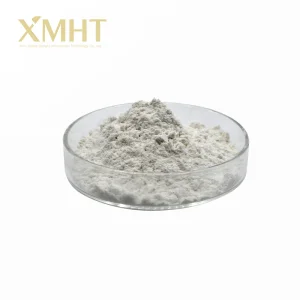
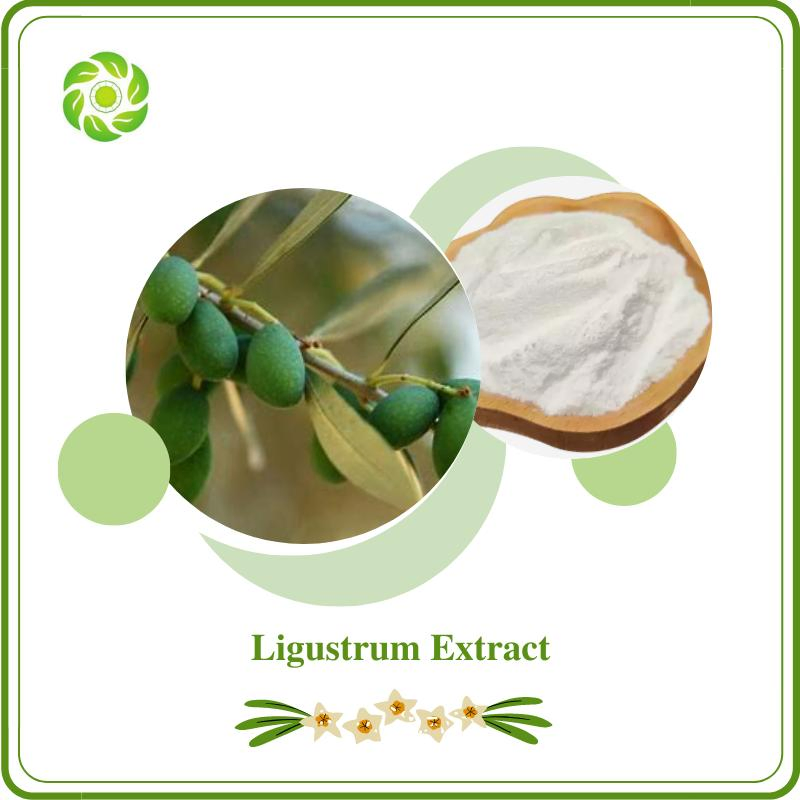
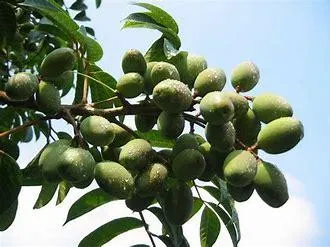
Oleanolic acid is a pentacyclic triterpenoid compound isolated from the fruit of the Gentianaceae plant Swertia genus Pleurotus chinensis or the fruit of Ligustrum lucidum in a plant.
Oleanolic acid exists widely in plants, with a general content of 0.2% to 2%. Cucurbitaceae plants have a higher content of 1.5% to 2% at the bottom of the hunchback, and 0.6% to 0.7% of the fruit of Ligustrum lucidum. Oleanolic acid is a white needle crystal, odorless and tasteless. Unstable to acid and alkali. Melting point 308~310ºC, insoluble in water, soluble in methanol, ethanol, ether, acetone, and chloroform.
| Items | Standard | Results |
|---|---|---|
| Odor | Characteristic | Conforms |
| Ash | ≤5% | Conforms |
| Loss on drying | ≤7% | Conforms |
| Metal Detection: | ||
| Total Heavy Metals | ≤10ppm | Conforms |
| As | ≤2ppm | Conforms |
| Pb | ≤2ppm | Conforms |
| Hg | ≤0.1ppm | Conforms |
| Cd | ≤2ppm | Conforms |
| Microbial Detection: | ||
| Total Plate Count | ≤1000cfu/g | Conforms |
| Yeasts and Molds | ≤100cfu/g | Conforms |
| E. coli | Negative | Conforms |
| Salmonella | Negative | Conforms |
| Staphylococcus | Negative | Conforms |
Oleanolic acid has an obvious protective effect on acute and chronic liver damage. It significantly reduces hepatocellular ballooning degeneration, necrosis, and inflammatory responses, while helping restore enlarged mitochondria and rough endoplasmic reticulum.
It has a marked effect on lowering serum alanine aminotransferase levels in cases of hepatitis and liver cirrhosis, consistent with the reduction of inflammatory reactions.
Significant increase in the mitotic phases suggests strong promotion of cell regeneration. It also helps in preventing hepatic encephalopathy by reducing tyrosine levels in brain homogenate.
Reduces liver collagen content, effectively preventing and treating liver cirrhosis.
Enhances immunity, inhibits certain tumor strains, protects against chromosomal damage, and helps prevent experimental atherosclerosis by correcting protein metabolism disorders.