TreonFit Nutrition
1 / 5
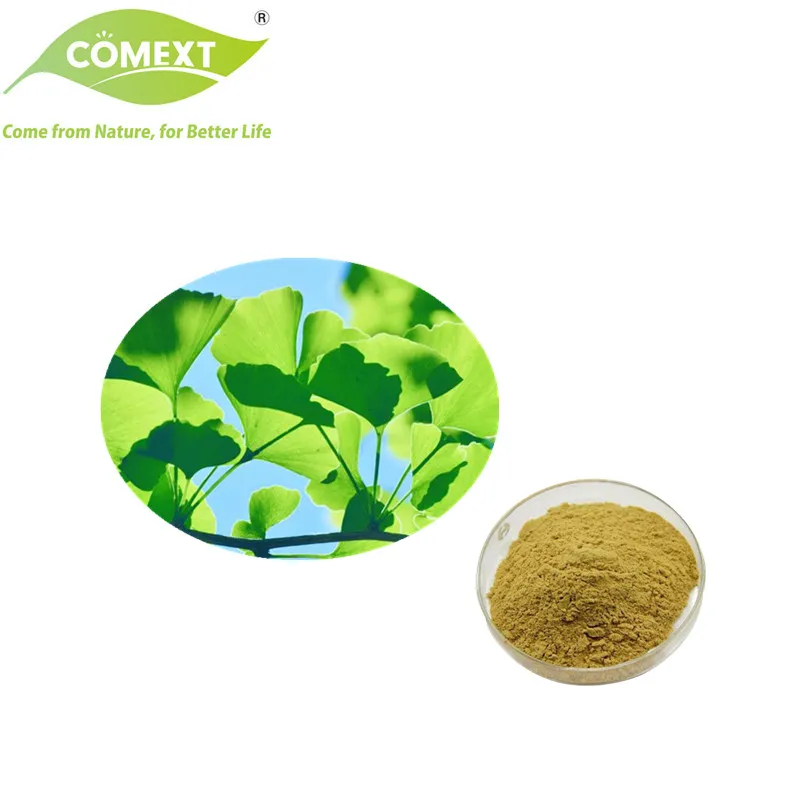
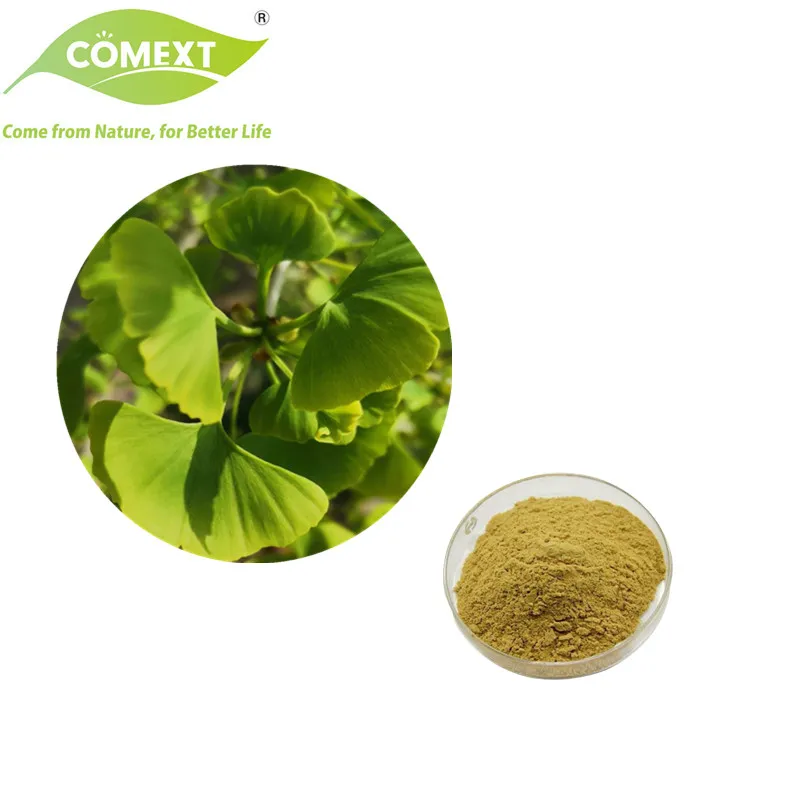
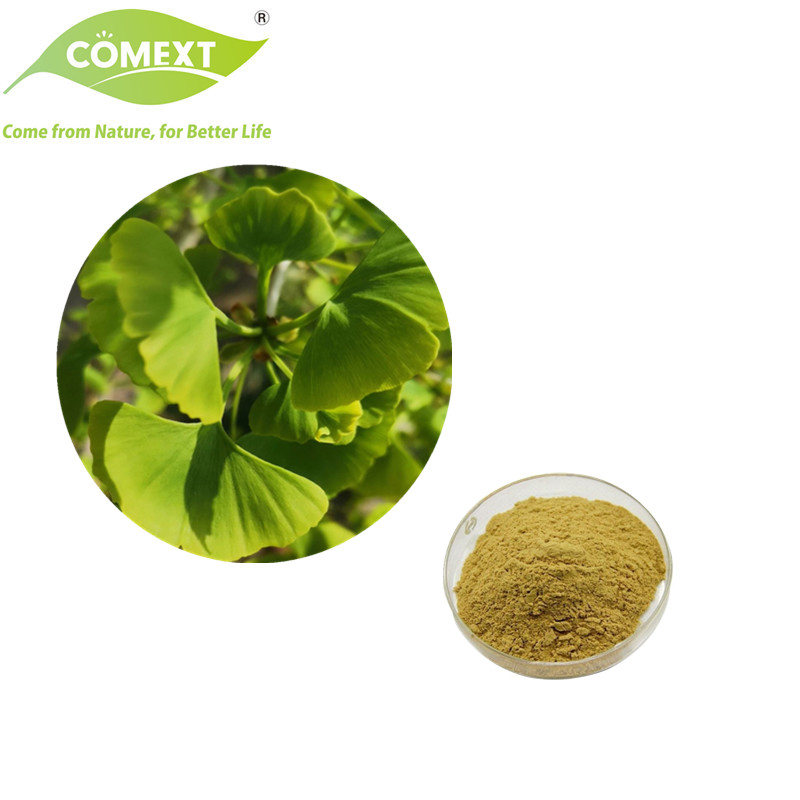
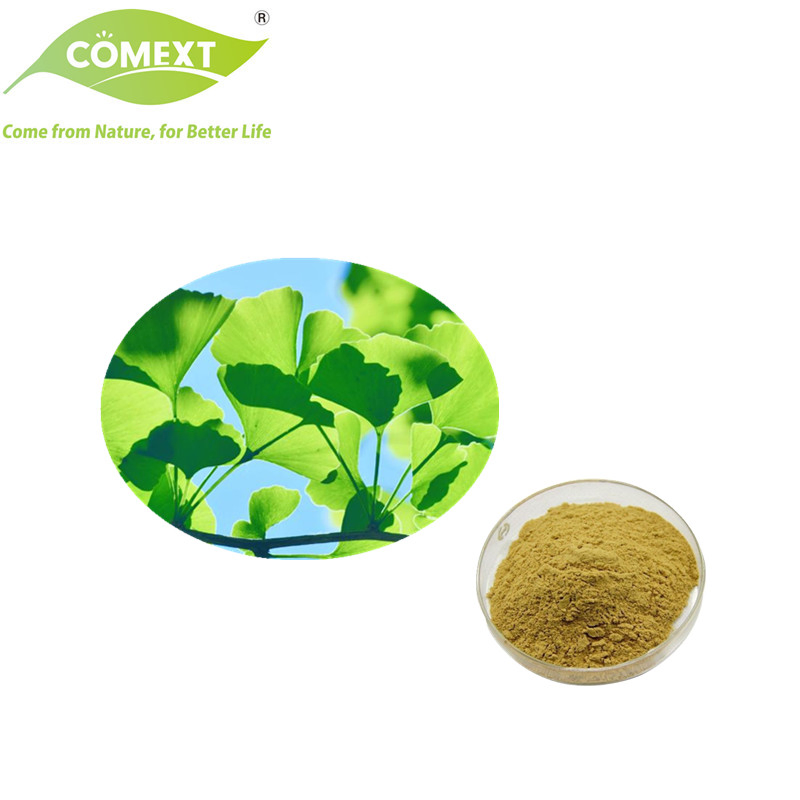
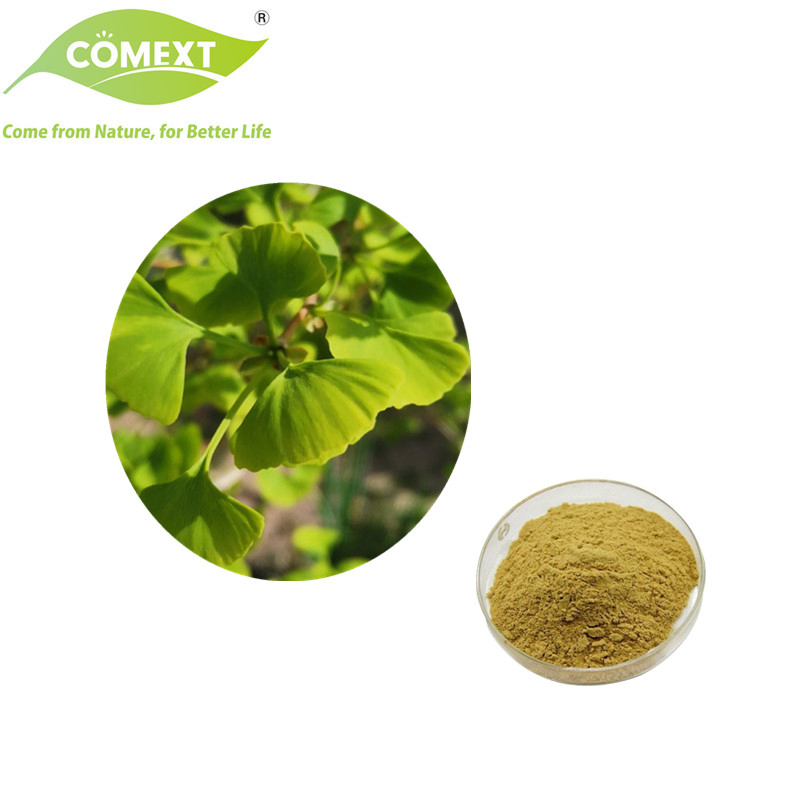
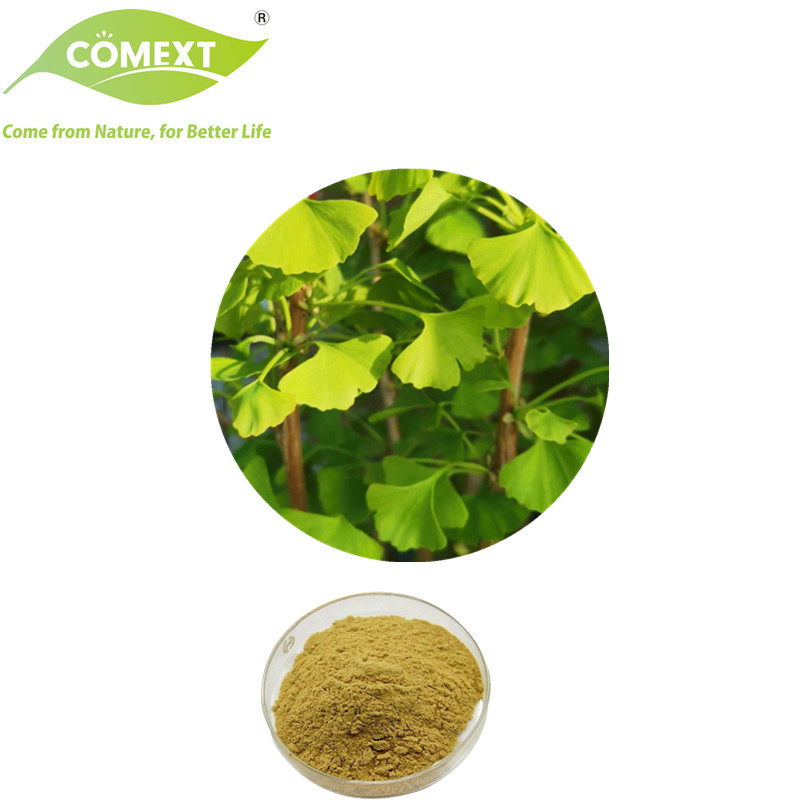
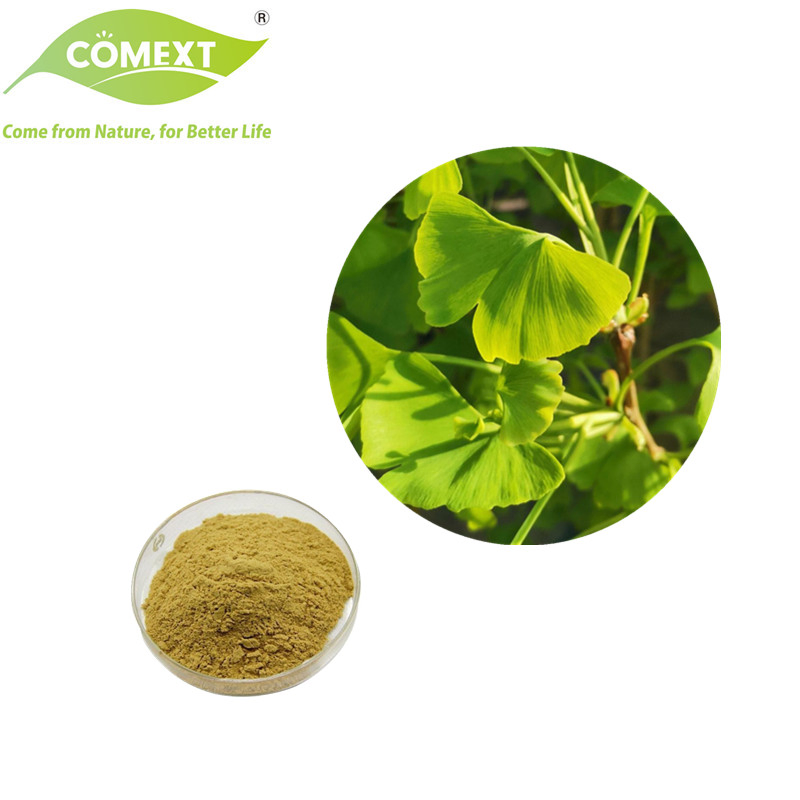
Ginkgo biloba, or maidenhair, is a tree native to China that has been grown for thousands of years for a variety of uses. Because it's the only surviving member of an ancient order of plants, it's sometimes referred to as a living fossil.
While its leaves and seeds are often used in traditional Chinese medicine, modern research primarily focuses on ginkgo extract, which is made from the leaves. Ginkgo supplements are associated with several health claims and uses, most of which focus on brain function and blood circulation.
⭐ Contains Powerful AntioxidantsGinkgo's antioxidant content may be the reason behind many of its health claims. Ginkgo contains high levels of flavonoids and terpenoids, which are compounds known for their strong antioxidant effects. Antioxidants combat or neutralize the damaging effects of free radicals, which are highly reactive particles produced in the body during normal metabolic functions.
| Item | Specification |
|---|---|
| General Information | |
| Products Name | Ginkgo biloba Extract |
| Botanical Name | Ginkgo biloba |
| Part Used | Leaf |
| Physical Control | |
| Appearance | Yellow Brown Powder |
| Odor & Taste | Characteristic |
| Loss on Drying | ≤5.0% |
| Particle Size | NLT 95% Pass 80 Mesh |
| Chemical Control | |
| Assay | 24% Total Flavones 6% Terpene Lactones |
| Total Heavy Metals | ≤10.0ppm |
| Solvent residue | <5000ppm |
| PAHs | <50ppb |
| Microbial Control | |
| Total Plate Count | ≤1,000cfu/g |
| E.Coli | Negative |
| Salmonella | Negative |