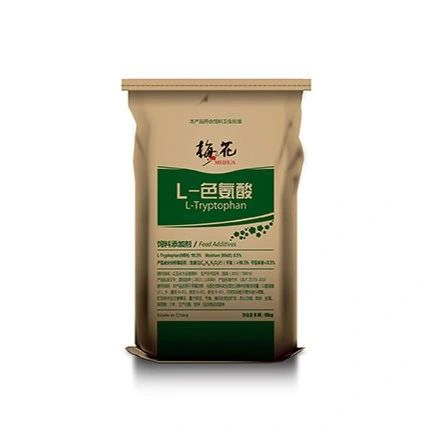
Tryptophan, also known as β-indolylalanine, is one of the essential amino acids of the human body. It is an important precursor substance for auxin biosynthesis in plants. Its structure is similar to IAA, and it is ubiquitous in higher plants.
L-Tryptophan is a very effective agent for positive mood and relaxation. It is widely used in dietary supplement production as it improves neurotransmitter balance and optimizes brain function.
L-Tryptophan is the L-enantiomer of the naturally occurring compound Tryptophan. As an essential amino acid, it is not produced in the body and must be supplemented through food and other dietary sources. It is classified as a nutraceutical, a micronutrient, and an anti-depressant agent.
A
Applications & Benefits

Human Use: Nutritional supplement and antioxidant. Acts as a precursor to serotonin. Used for mood regulation, spirit rhythm, and improving sleep. Essential for pregnant women's nutrition and specialized milk powders.
Animal Use: Promotes growth, weakens stress reactions, and improves sleep. Increases antibodies in offspring and improves dairy cattle lactation. Helps save feed costs by reducing high-quality protein dosage.

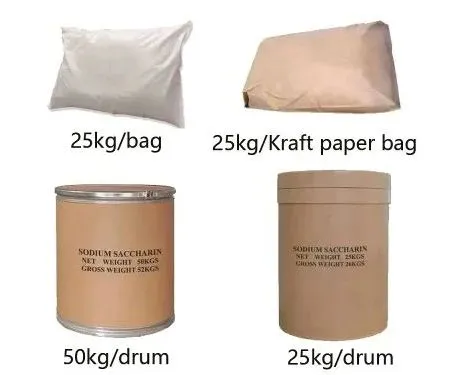
• 1kg/aluminium foil bag, with two plastic bags inside.
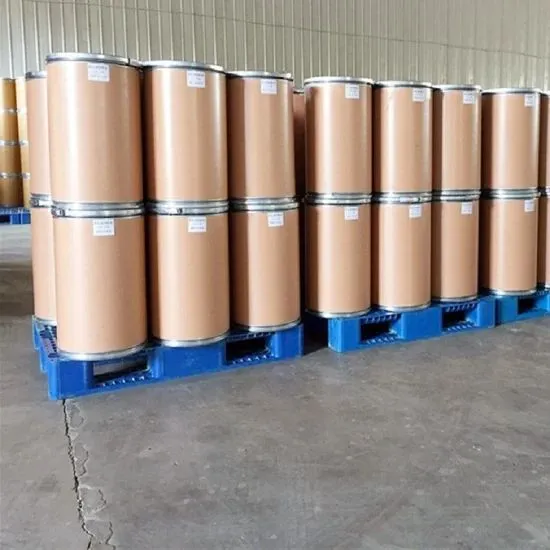
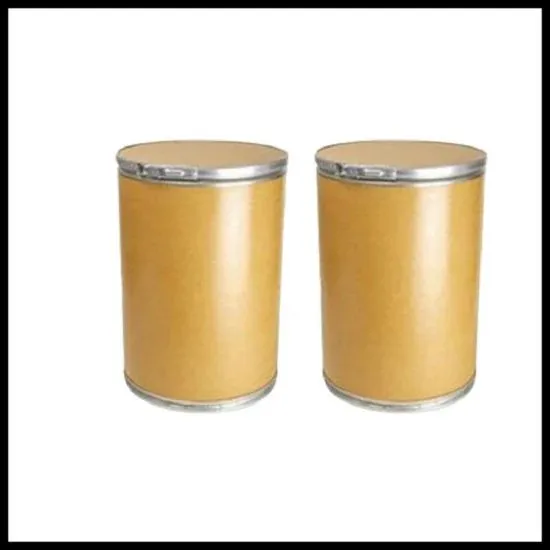
• 25kg/fiber drum, with two plastic bags inside.
• Drum Size: ID 42cm * H52cm (0.08m³)
• Net Weight: 25kgs | Gross Weight: 28kgs.

• ≤50kg: Express delivery (DDU) recommended.
• ≤500kg: Air shipping (CIF) recommended.
• >500kg: Sea shipping (FOB, CFR, or CIF) recommended.
• For high-value products, air shipping or express delivery is suggested for safety.

?
Frequently Asked Questions
1. What is the primary role of L-Tryptophan in the human body?
L-Tryptophan serves as a vital precursor to the neurotransmitter serotonin, which is essential for mood regulation, relaxation, and sleep.
2. Is L-Tryptophan produced naturally by the body?
No, L-Tryptophan is an essential amino acid, meaning the body cannot produce it. It must be obtained through diet or supplements.
3. What grades of L-Tryptophan are available?
The product is available in Food Grade (standard FCCIV/USP), Feed Grade (for animal nutrition), and Pharma Grade (standard USP32).
4. How should the product be stored and what is its shelf life?
It should be stored under normal, dry conditions. It has a stable shelf life of more than 12 months.
5. What are the benefits of L-Tryptophan in animal feed?
In animals, it promotes growth, reduces stress reactions, improves sleep, and can increase antibodies in cubs while improving lactation in dairy cattle.
6. What are the standard packaging options for bulk orders?
The standard packaging is 25kg per fiber drum with two internal plastic bags, or 1kg aluminium foil bags for smaller quantities.
 TreonFit Nutrition
 Food Grade Standard