TreonFit Nutrition
1 / 5
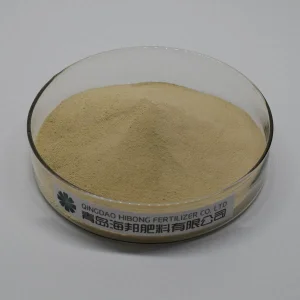
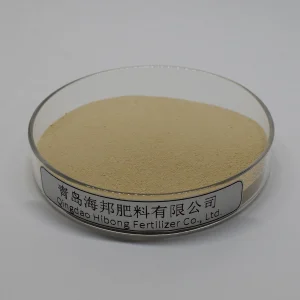
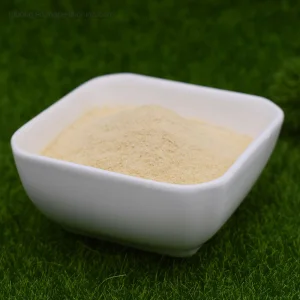
Amino acid fertilizers play an increasingly important role in modern agriculture. They are the fundamental building blocks of proteins in plants and are essential for plant growth, development, reproduction, and stress resistance. While plants can synthesize amino acids, external stress factors such as extreme temperatures, drought, and pests can impair this process.
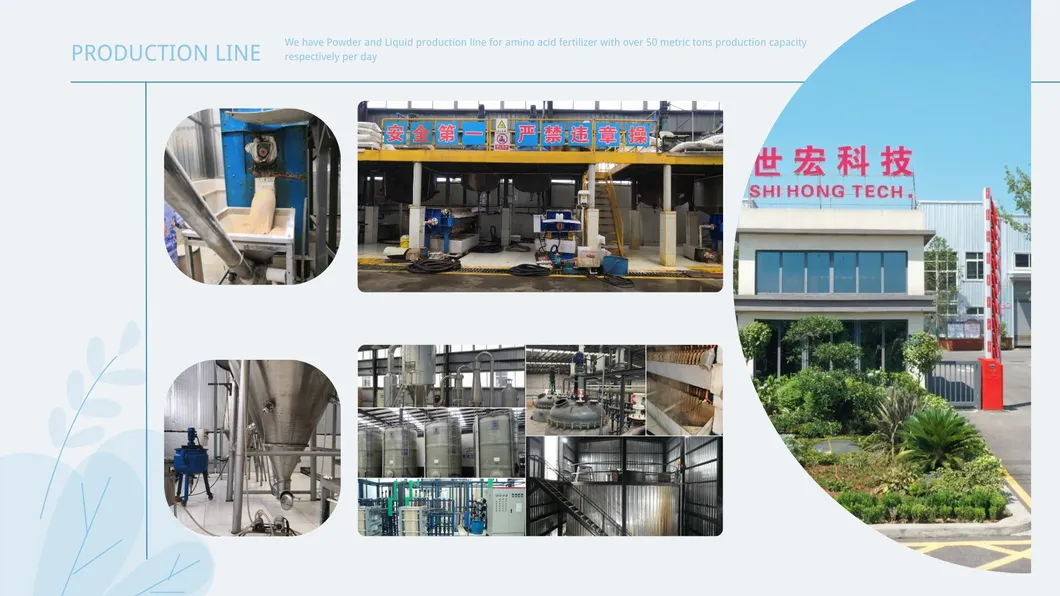
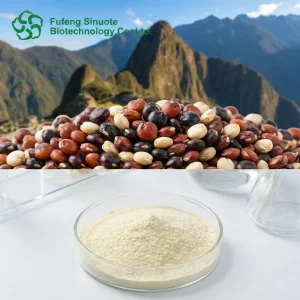
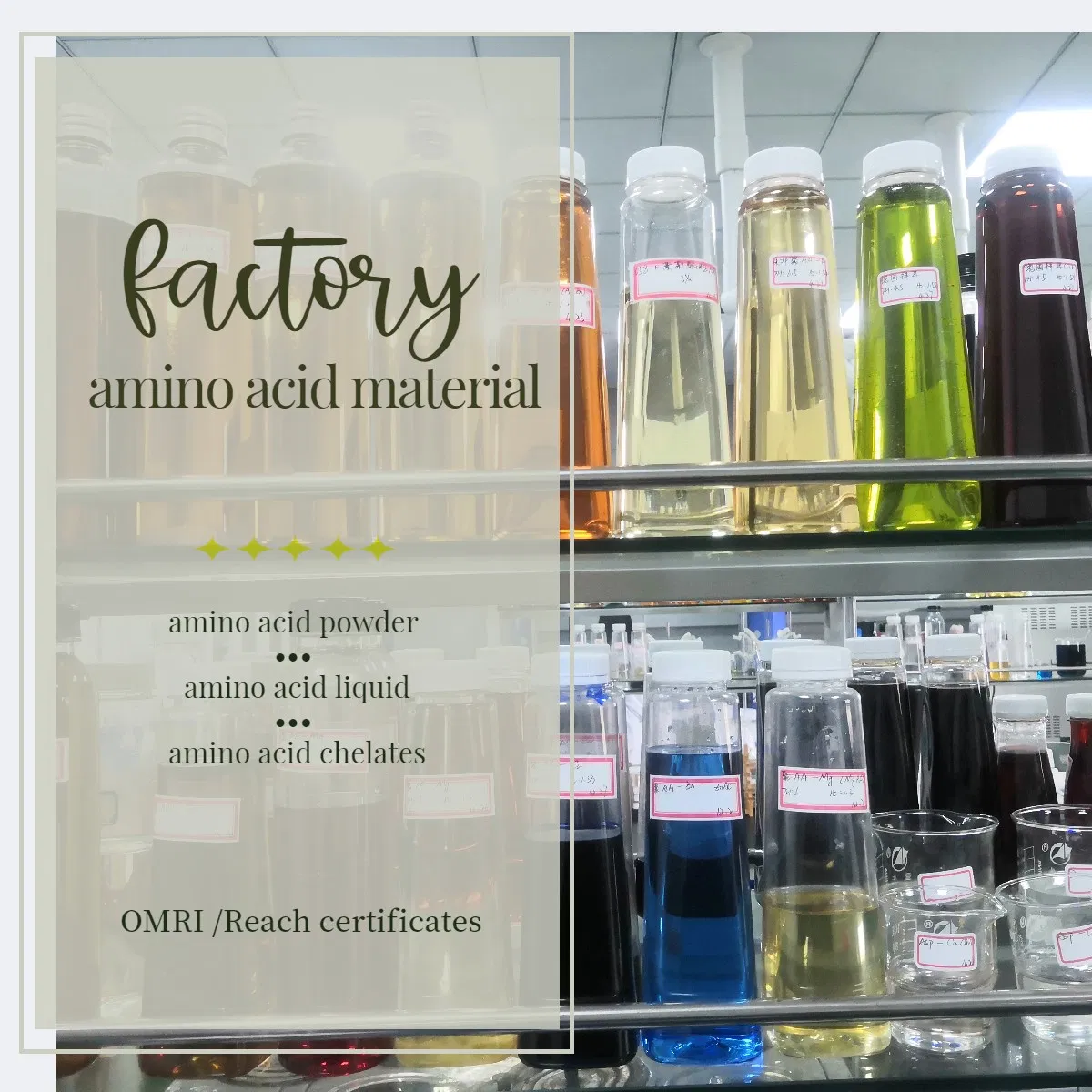
These fertilizers are generally divided into two main categories: plant-based and animal-based. Benefits include increasing stress resistance, promoting growth and yield, improving nutrient absorption, and hormonal balancing properties. Through chelation, they improve the absorption and translocation of micro minerals such as zinc, copper, iron, and manganese.
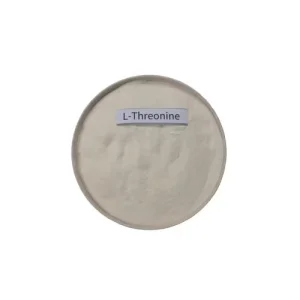
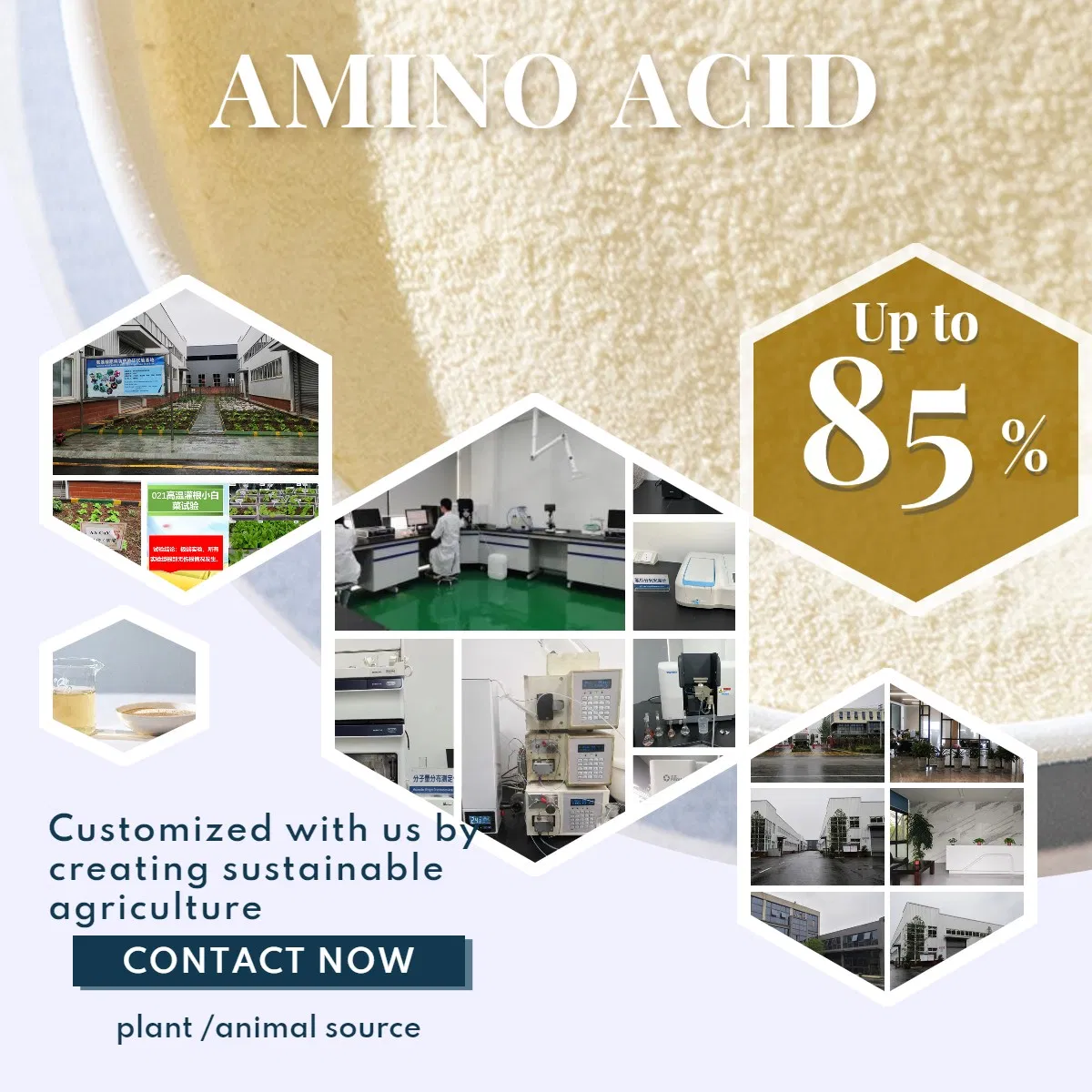
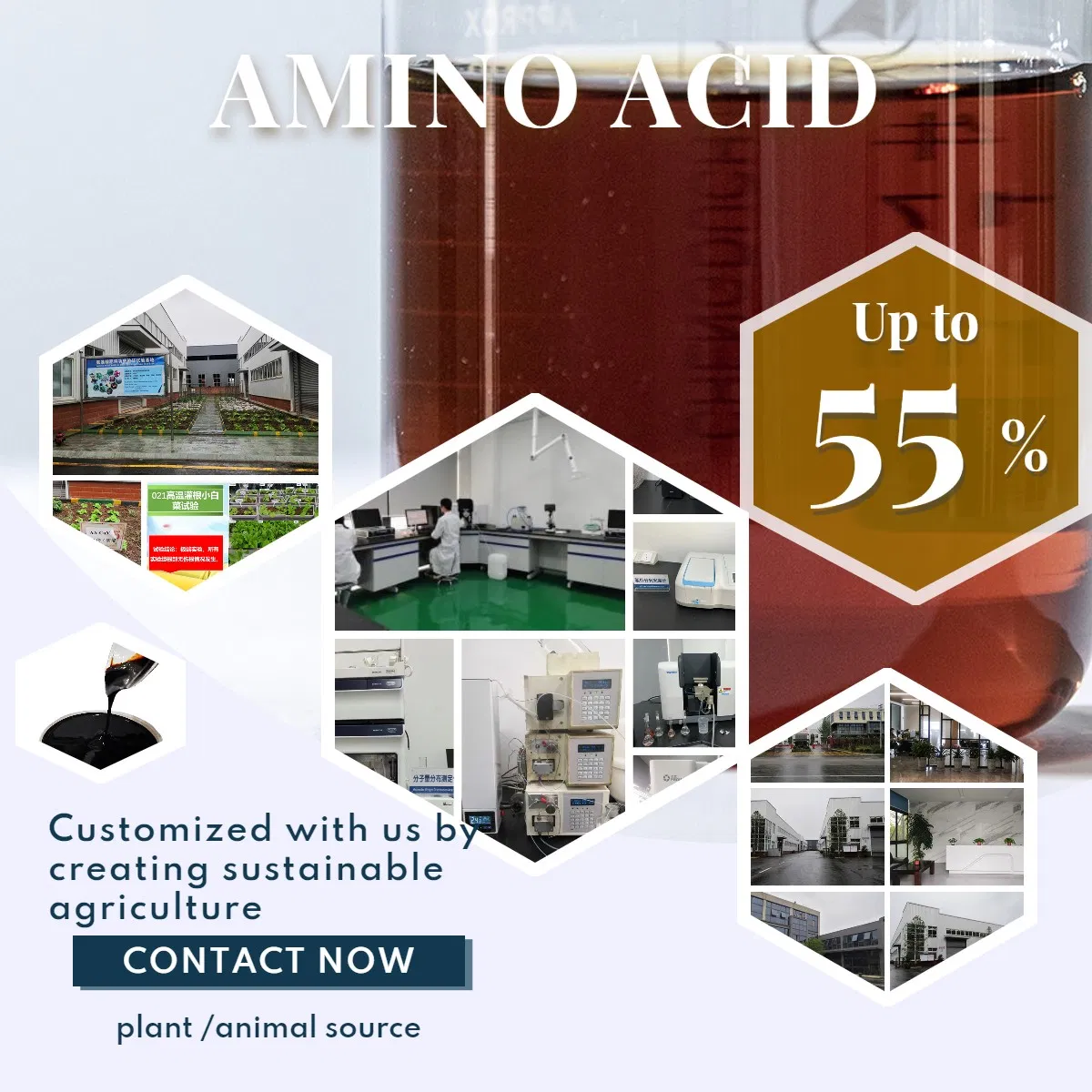
The amino acid content varies depending on the product, ranging from 30-85%. Formulations include: arginine, cysteine, glycine, phenylalanine, valine, threonine, tryptophan, methionine, leucine, isoleucine, lysine, histidine, alanine, aspartic acid, asparagine, and glutamic acid.
| CATEGORY | CONTENT (%) |
|---|---|
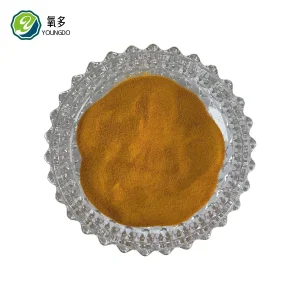
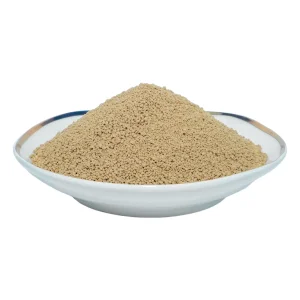
| AMINO ACID POWDER | 40 |
| 60 | |
| 70 | |
| 80 | |
| AMINO ACID LIQUID | 30 |
| 50 | |
| AMINO ACID CHELATES (Ca,Mg,Zn,B,Mo,Fe,Cu,Mn) | 2-15 |
Warm Reminders:
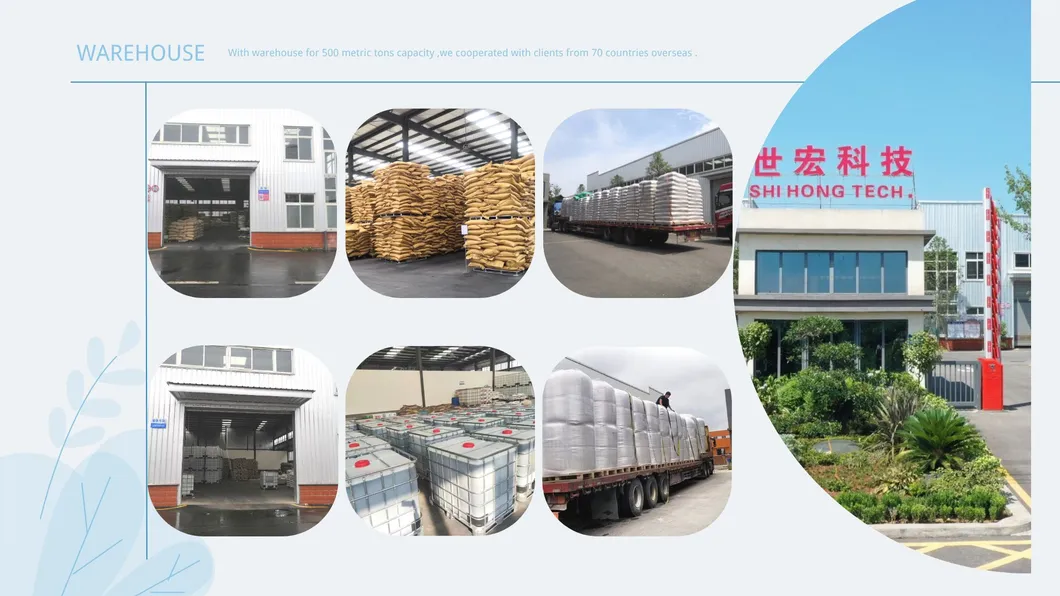
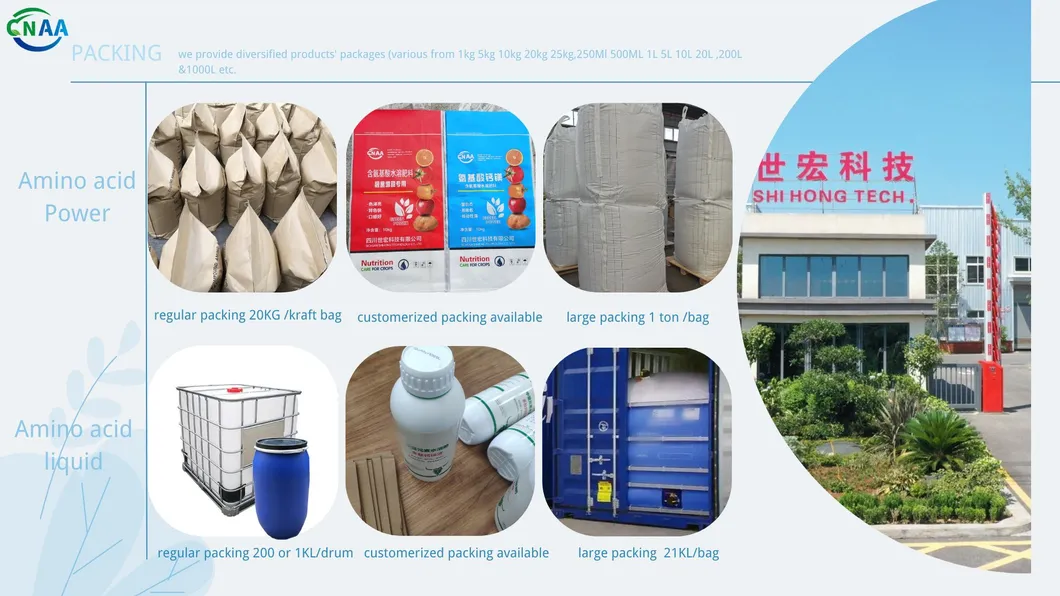
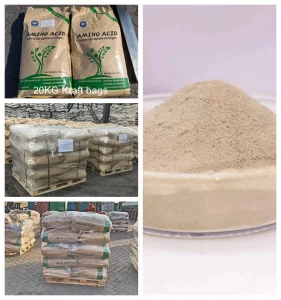
Powder Packing: 1KG/BAG, 10KG/BAG, 20KG/BAG, 25KG/BAG
Liquid Packing: 1,000L/DRUM, 200L DRUM
Delivery Terms: FOB, CIF, EXW, FCA, Express Delivery
Payment: T/T, L/C (USD, EUR, CNY)
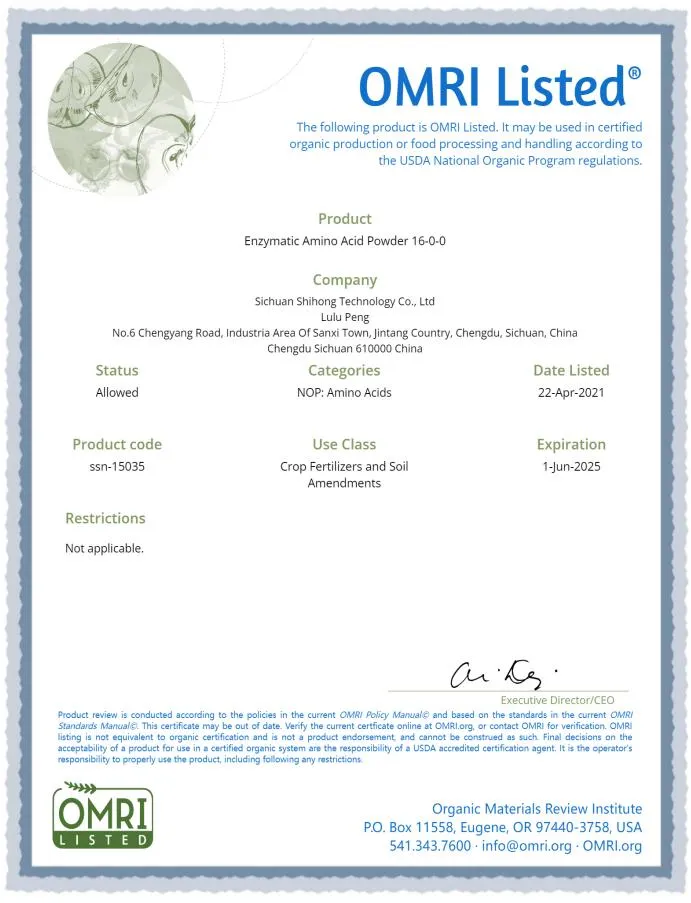
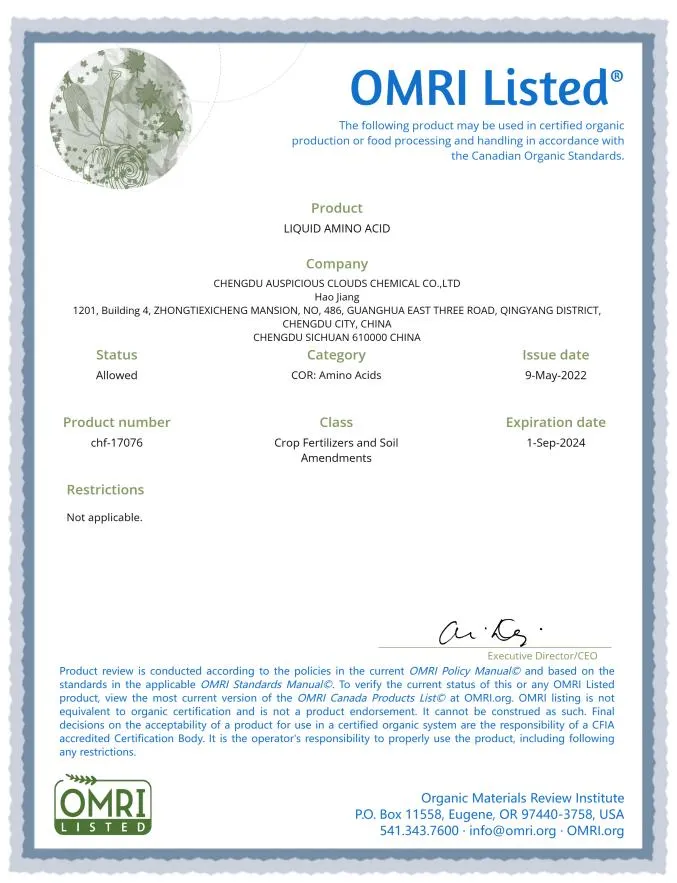
Some products conform to OMRI standards.

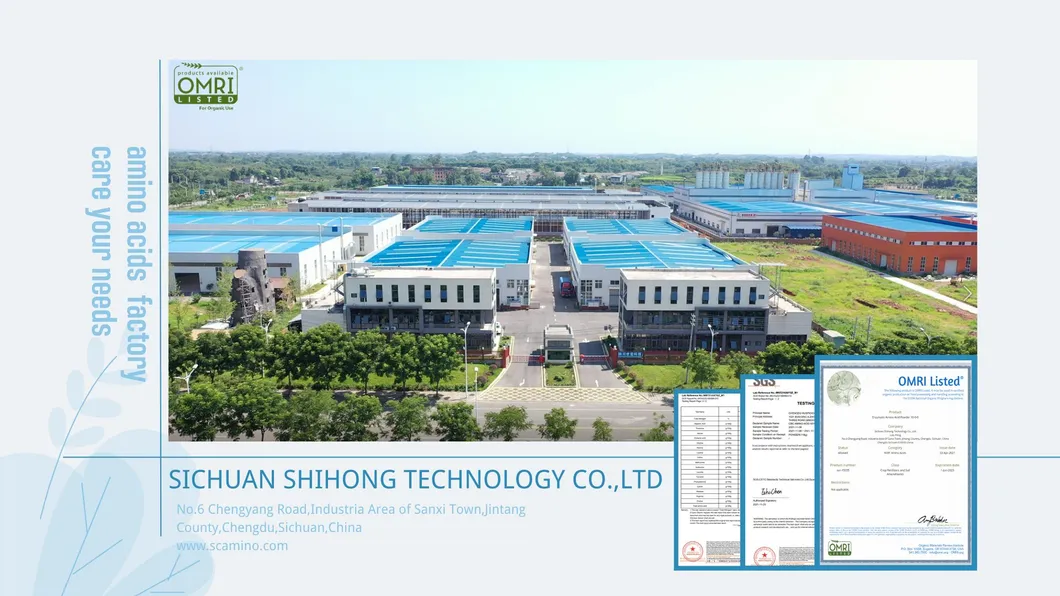
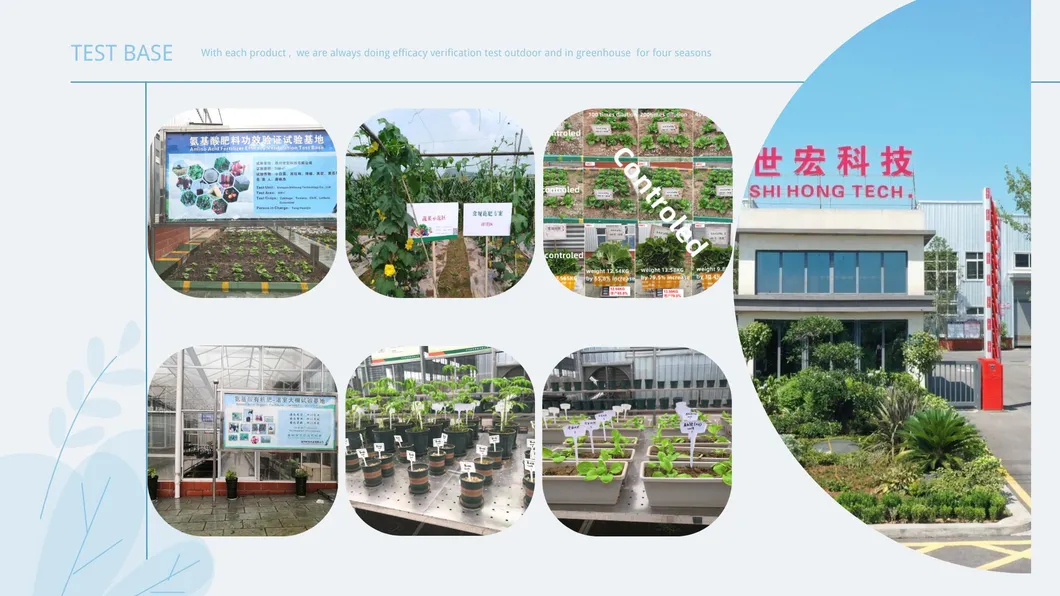
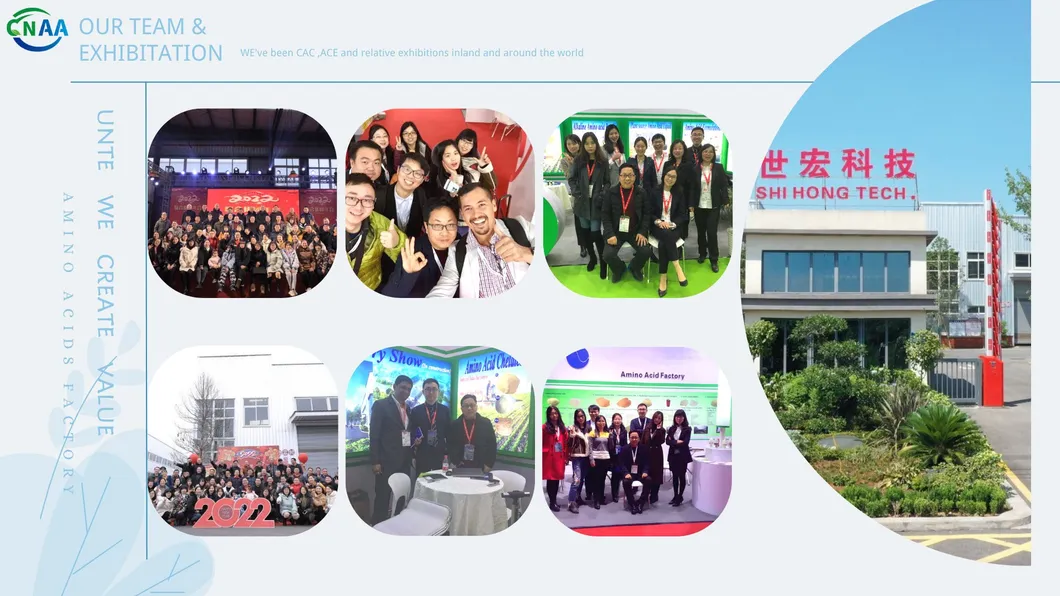
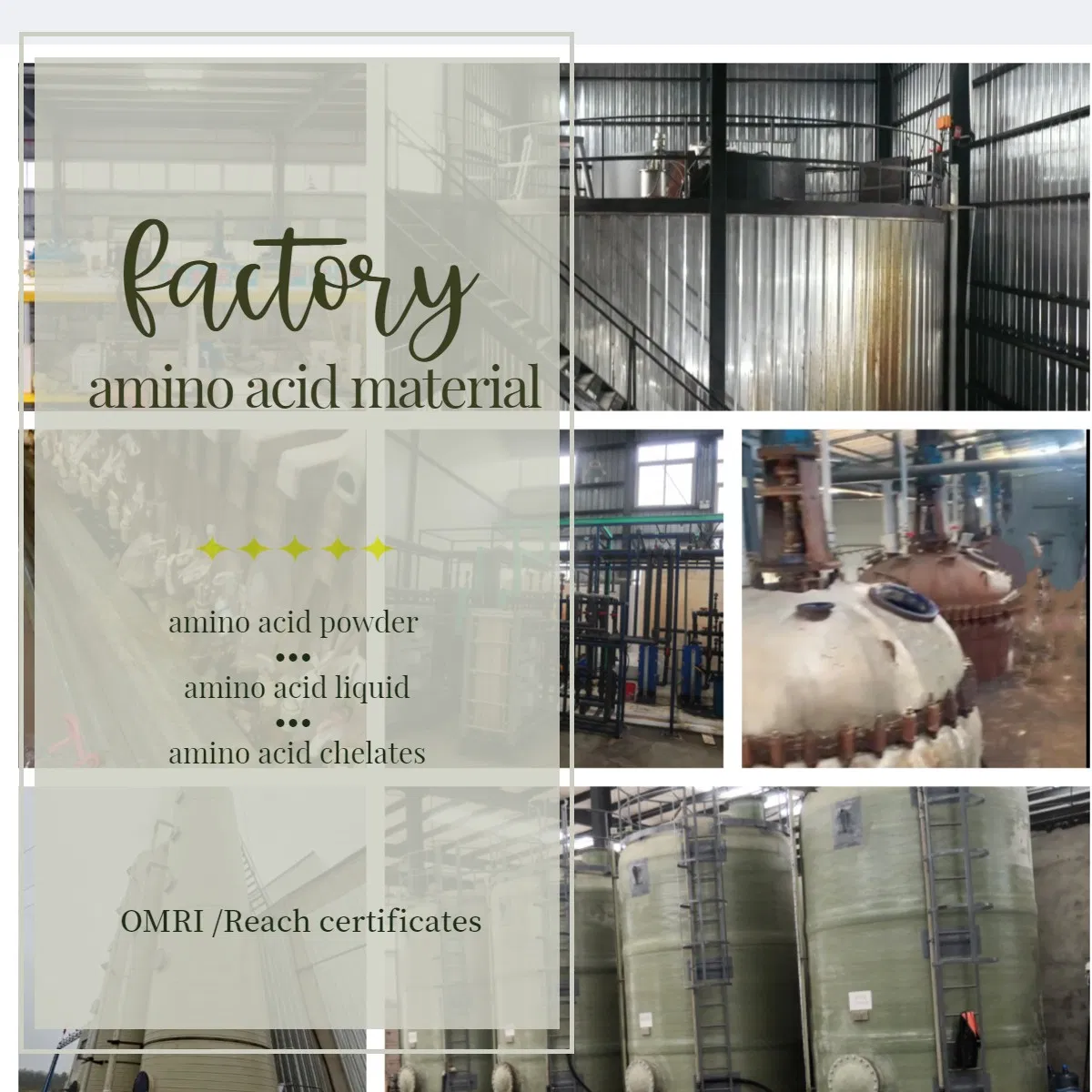
Operating from a 17,000 square meter facility, the manufacturer specializes in research, development, and production of agricultural amino acid fertilizers (powder, liquid, chelates) and personal care silk amino acids. With exports to over 70 countries including the United States, Europe, Southeast Asia, and South America, the facility maintains high-end R&D standards.
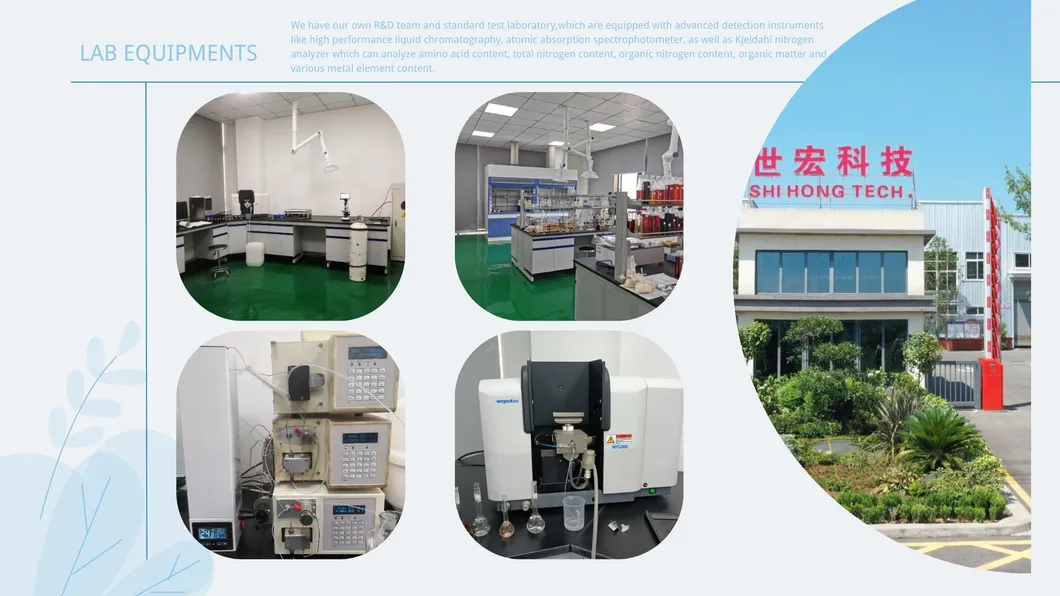
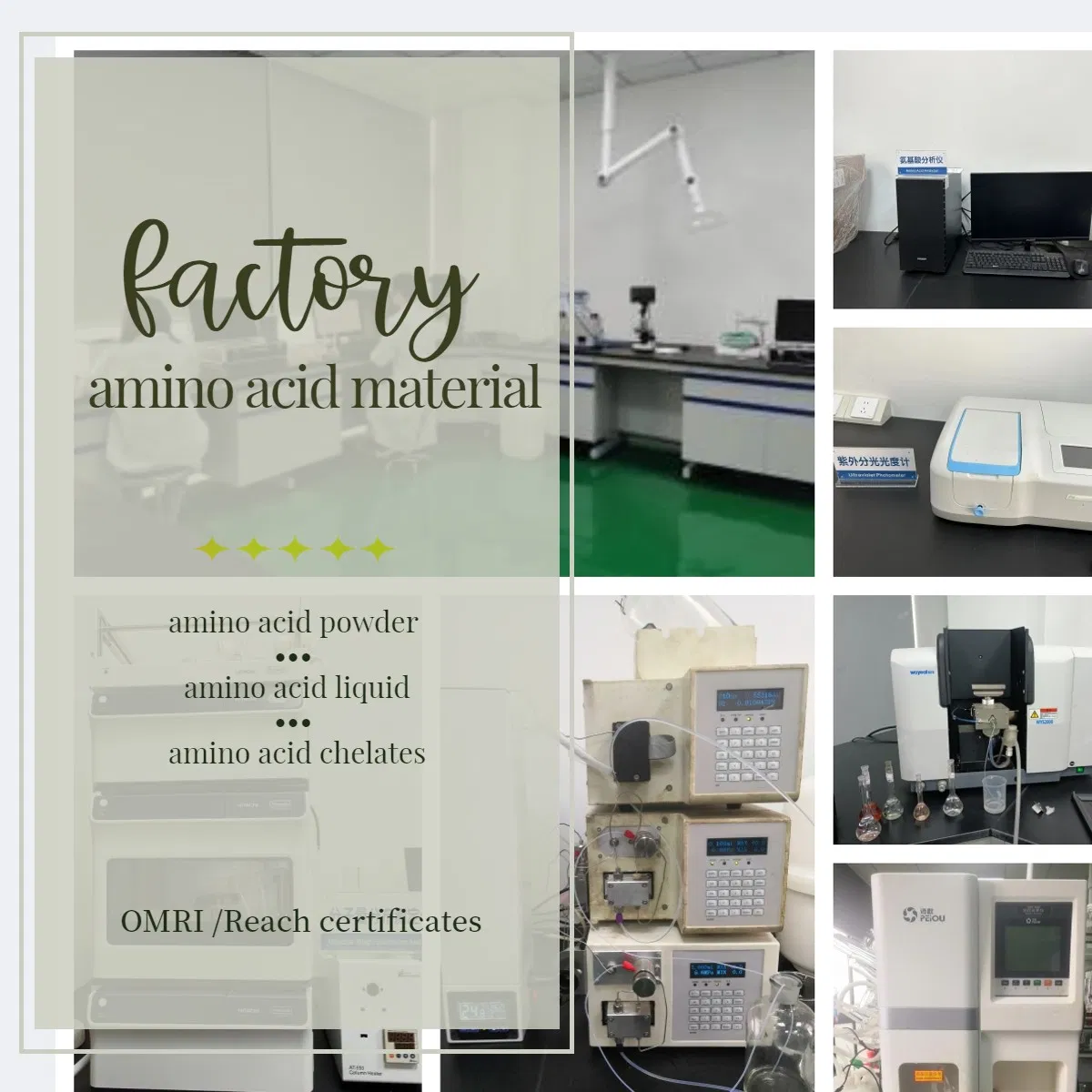
The standard test laboratory is equipped with advanced detection instruments like high-performance liquid chromatography and atomic absorption spectrophotometers to ensure precise nutrient content analysis.