Strong bones are living tissue, not permanent structures. They constantly break down and rebuild throughout life. Minerals provide much of the material and regulation needed for this ongoing process.
So, how do minerals support bone health? Calcium gives bones strength and forms much of their mineral framework. Phosphorus works with calcium to create a firm, stable structure. Magnesium supports bone formation and helps regulate calcium balance. Zinc contributes to tissue repair and the activity of bone-building cells. Small amounts matter.
These nutrients do not work alone. Vitamin D helps the body absorb calcium, while protein supports the collagen framework beneath bone minerals. Regular movement also gives bones a reason to stay strong. A brisk walk, resistance exercise, or climbing stairs can provide useful mechanical signals.
The details are easy to overlook. A glass of milk, fortified soy drink, beans, or leafy greens may contribute minerals across the day. Yet dietary needs differ with age, health conditions, medications, and life stage. More is not always better. Excessive supplementation can create risks, especially when taken without professional guidance.
Nutrition is not a magic shield. Bone health also reflects hormones, genetics, sleep, body weight, and past activity. Evidence is strong for adequate nutrient intake, but no single mineral prevents every fracture. This article examines the science carefully, using established nutrition guidance and practical examples. It also recognizes uncertainty, because healthy decisions deserve more than confident claims.
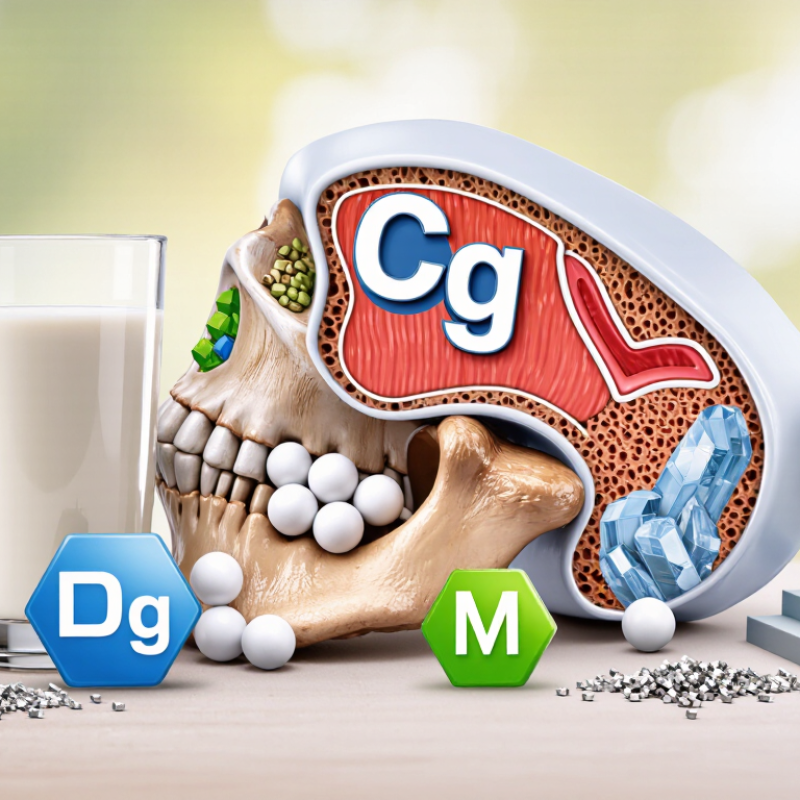
Minerals are naturally occurring elements that the body uses in small but important amounts. Unlike protein or fat, they provide no calories. Yet they help form tissues, regulate fluids, and support cell activity. Bone is living tissue, not a rigid frame. About 99% of the body’s calcium is stored there, while phosphorus helps create the hard mineral structure. Bones also release minerals when blood levels need support. That figure can mislead.
Calcium provides strength, but it cannot work alone. Phosphorus supports bone structure, and magnesium helps regulate bone formation. Small amounts of zinc and other trace minerals assist tissue repair and cell function. These minerals work as a network. When intake stays low, the body may draw calcium from bone stores. Over time, this can reduce bone density. However, more is not always better. Large supplemental doses may cause side effects or interfere with other nutrients.
Food usually provides a steadier mineral pattern. Dairy foods, calcium-set tofu, leafy greens, beans, nuts, seeds, and fish with edible bones can contribute useful amounts. Vitamin D also helps the body absorb calcium. I once viewed bone strength as mainly a calcium problem. That view was too narrow. Age, movement, hormones, digestion, and overall diet also matter. A practical check includes meals, medications, health conditions, and laboratory advice when needed. A rushed meal still counts, but it may not meet every need.
| Mineral | How It Supports Bone Health | Adult Daily Intake Target | Food Sources | What Inadequate Intake May Affect |
|---|---|---|---|---|
| Calcium | The main mineral in bone tissue; provides hardness and serves as a stored supply for essential body functions. | 1,000 mg/day for most adults; 1,200 mg/day for women over 50 and men over 70. | Milk, yogurt, cheese, calcium-set tofu, canned fish with bones, kale, and fortified foods. | The body may draw calcium from bones when intake is consistently too low, which can reduce bone mineral content over time. |
| Phosphorus | Combines with calcium to form hydroxyapatite, the mineral crystal that strengthens the structure of bones and teeth. | 700 mg/day for adults. | Fish, poultry, meat, dairy products, beans, lentils, nuts, and whole grains. | Severe deficiency is uncommon but may impair mineralization and contribute to weak bones. |
| Magnesium | Supports bone formation, influences active vitamin D metabolism, and contributes to the regulation of calcium balance. | Men: 400–420 mg/day; women: 310–320 mg/day. | Pumpkin seeds, almonds, spinach, beans, whole grains, and dark chocolate. | Low status may interfere with bone metabolism; severe deficiency can disturb calcium regulation. |
| Zinc | Participates in protein synthesis, collagen production, and the activity of enzymes involved in bone growth and remodeling. | Men: 11 mg/day; women: 8 mg/day. | Oysters, meat, poultry, dairy products, beans, nuts, seeds, and whole grains. | Insufficient zinc may affect tissue growth, collagen formation, and normal bone remodeling. |
| Copper | Helps form and maintain collagen and elastin, which provide flexibility and connective support within bone. | 900 mcg/day for adults. | Shellfish, liver, nuts, seeds, cocoa, beans, and whole grains. | Severe deficiency can impair connective-tissue formation and skeletal development. |
| Manganese | Acts as a cofactor for enzymes involved in cartilage, connective tissue, and bone matrix formation. | Adequate intake: men 2.3 mg/day; women 1.8 mg/day. | Whole grains, nuts, legumes, leafy vegetables, tea, and some fruits. | Deficiency is rare, but inadequate status may disrupt normal bone and connective-tissue metabolism. |
Note: Intake targets are general adult reference values from U.S. Dietary Reference Intakes. Individual needs may vary by age, sex, pregnancy, health status, and dietary pattern. Bone health also depends on vitamin D, adequate protein, physical activity, and overall nutrition.
Bones are living tissue, not a rigid frame. Minerals help provide strength, repair, and structure. Calcium and phosphorus form the main hard framework. Bones also release minerals when blood levels need support.
Calcium gives bones rigidity and strength. About 99% of the body’s calcium is stored in bones and teeth. Most adults aged 19–50 need about 1,000 milligrams daily. More calcium is not always better.
Phosphorus helps calcium form hard mineral crystals inside bone. Adults generally need about 700 milligrams daily. Nearly 85% of body phosphorus is stored in bones and teeth. Balance still matters.
Magnesium supports bone formation and vitamin D metabolism. Adult needs commonly range from 310 to 420 milligrams daily. Beans, nuts, seeds, and leafy greens can provide it. Numbers are targets, not promises.
Yogurt, calcium-set tofu, leafy greens, beans, nuts, and edible-bone fish can help. Fortified foods may also contribute calcium. Food preparation changes mineral amounts. Check labels instead of guessing.
Vitamin D helps the body absorb calcium. Low vitamin D can make calcium use less effective. Sun exposure, food, and medical guidance may all matter. Supplements are not automatically necessary.
Walking, stair climbing, and resistance exercise give bones a reason to adapt. Bone cells remove older material and build new structure. Sitting all day offers a weaker signal. Nutrition alone cannot replace movement.
Yes, large supplemental doses may cause side effects or interfere with other nutrients. Calcium limits vary with age and health. Kidney conditions, medications, and medical history can change personal needs. I once saw calcium as the whole answer. That view was too narrow.
Review regular meals, movement, medications, health conditions, and laboratory advice when needed. A rushed meal still counts. It may not meet every need. Confident guessing is sometimes the weakest plan.
Minerals are essential nutrients that help build, maintain, and renew strong bones. Calcium and phosphorus form the primary structural material of bone, giving it hardness and stability. Magnesium supports the way the body uses calcium and contributes to bone formation, while minerals such as zinc, copper, manganese, and boron assist with collagen production, tissue development, and normal bone metabolism. Together, these nutrients help bones adapt to daily stress and repair themselves over time.
Understanding how do minerals support bone health also requires considering mineral balance and absorption. Bone strength depends not only on receiving enough nutrients, but also on maintaining appropriate proportions among them. Factors such as vitamin D status, digestive health, age, physical activity, and overall diet can affect how efficiently the body absorbs and uses bone-building minerals. A varied, nutrient-rich eating pattern and healthy lifestyle habits can therefore support lifelong bone structure, renewal, and resilience.

 TreonFit Nutrition