How to Avoid Side Effects From Supplements in 2026?

Time:2026-10-27 Author:Ethan
0%

In 2026, supplements remain popular for energy, sleep, immunity, digestion, and fitness. Yet “natural” does not always mean harmless. A colorful bottle can contain concentrated ingredients that affect blood pressure, blood sugar, mood, or medication levels. Safe use begins with better questions, not bigger doses.

One important question is: why do some supplements cause side effects? The answer may involve excessive amounts, poor product quality, allergies, contamination, or interactions with prescription medicines. Caffeine, iron, magnesium, and herbal extracts can all cause problems in certain situations. Timing matters, too. Taking several products together may quietly duplicate the same nutrient. The label may hide that risk.

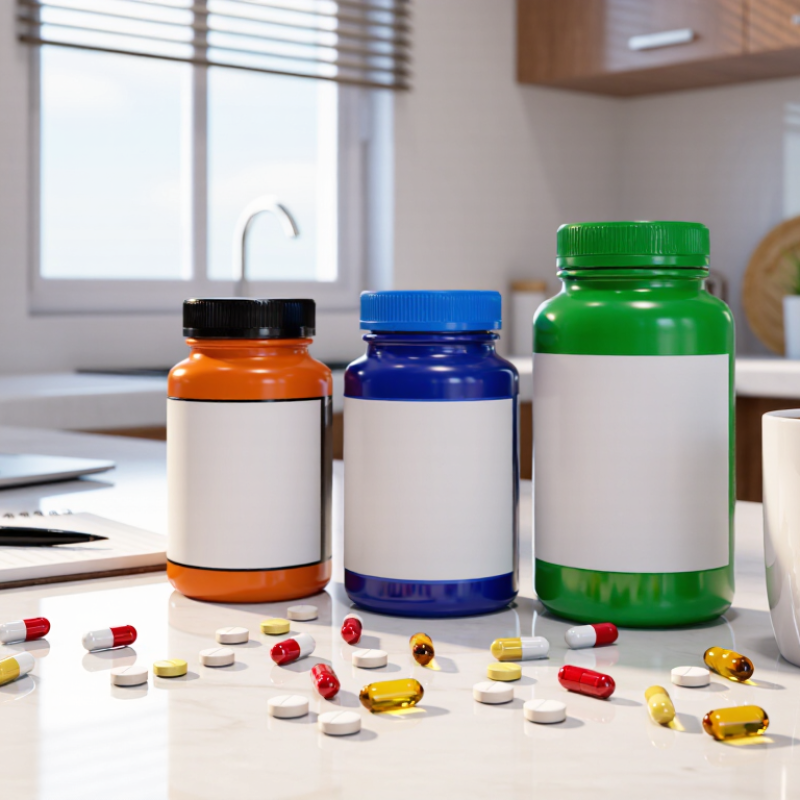
This guide focuses on practical prevention for real life. Think of a busy morning, three bottles beside a coffee mug, and no record of their ingredients. A qualified pharmacist, physician, or registered dietitian can review that routine safely. Reliable choices should include transparent labels, batch testing, clear dosing, and evidence from respected health authorities. Avoid products promising instant cures or dramatic body changes.

No checklist is flawless. People can react differently. Even experienced users overlook interactions. That deserves honest attention. Start with one product when appropriate, track changes, and stop if concerning symptoms appear. Seek medical advice for breathing difficulty, fainting, chest pain, severe vomiting, or other urgent reactions. Supplement safety is not about fear. It is about informed decisions, careful observation, and knowing when professional guidance matters.
How to Avoid Side Effects From Supplements in 2026?

Define Risk: FDA Requires No Pre-Market Approval for Supplements

How to Avoid Side Effects From Supplements in 2026?

Define Risk: FDA Requires No Pre-Market Approval for Supplements

In the United States, dietary supplements do not receive FDA approval before reaching stores. Manufacturers must ensure safety and accurate labeling. The FDA mainly acts after products enter the market. New dietary ingredients may require notification, but notification is not approval. That distinction changes how consumers should define risk. The U.S. Government Accountability Office reported more than 50,000 supplement products on the market in 2013. The number had increased sharply from about 4,000 in 1994. More choice does not mean more certainty.

Read the Supplement Facts panel like a medication label. Check serving size, stimulants, overlapping vitamins, and unfamiliar botanical extracts. The NIH Office of Dietary Supplements warns that supplements can interact with medicines and affect surgery, pregnancy, or chronic conditions. A “natural” label proves very little. It sounds reassuring. It is not evidence.

Use one new product at a time, especially when possible. Record the dose, timing, and physical changes for several days. Stop and seek medical advice after symptoms such as chest pain, severe rash, persistent vomiting, or unusual bleeding. Independent testing can support identity and purity, but it cannot guarantee personal safety. This is where my own thinking needs caution: a clean label may reduce uncertainty, not remove it. Ask a pharmacist or clinician to review the full list, including teas and fortified foods. FDA and NIH guidance should outrank social-media claims.

Assess Exposure: FDA Estimates 23,000 Supplement-Related ER Visits Yearly

How to Avoid Side Effects From Supplements in 2026?

Supplement safety deserves more attention than a bright label suggests. The FDA often cites an estimate of 23,000 supplement-related emergency-room visits each year. This figure comes from a New England Journal of Medicine analysis of U.S. surveillance data from 2004 to 2013. About 2,154 patients were hospitalized annually. Weight-loss products, energy products, and swallowing problems contributed heavily. A fast heartbeat is not harmless just because a product is sold without a prescription.

Exposure assessment should begin before purchase. Record every supplement, dose, and daily timing. Include medicines, fortified drinks, and herbal teas. The NIH Office of Dietary Supplements notes that ingredients can interact with medicines and affect surgery, pregnancy, or chronic conditions. Labels may also change. I have found that people often forget “occasional” products, such as sleep aids used on stressful nights. That missing detail can mislead even a careful clinician.

Tips: Start one product at a time. Choose the lowest labeled dose, unless a qualified professional advises otherwise. Keep the container and lot information. Stop and seek urgent care for chest pain, fainting, severe vomiting, breathing trouble, or facial swelling. Ask a pharmacist to review combinations, especially with blood thinners or diabetes medicines. Do not assume natural means risk-free. That assumption is still common, and sometimes wrong.

How to Avoid Side Effects From Supplements in 2026?

Assess exposure before taking a supplement: a nationally representative U.S. surveillance study estimated approximately 23,005 supplement-related emergency department visits per year.

The estimate covers 2004–2013 and has a 95% confidence interval of 18,611–27,398 visits. It is a historical annual estimate, not a forecast for 2026. Source: Geller et al., New England Journal of Medicine, 2015.

Check Interactions: NIH ODS Lists Common Drug–Supplement Risks

How to Avoid Side Effects From Supplements in 2026?

A supplement can act like a medicine. The NIH Office of Dietary Supplements describes several important drug–supplement interactions. Vitamin K may reduce the effect of warfarin, a commonly prescribed blood thinner. Calcium and iron can reduce levothyroxine absorption when taken too close together. St. John’s wort may change how the body processes many prescription medicines, including some contraceptives and transplant drugs. The risk depends on dose, timing, health conditions, and the medicine involved.

Keep a written list of every supplement, medicine, and daily amount. Include teas and powders. Show it to a pharmacist before adding anything new. A photograph of each label can prevent confusion during an appointment. Ask whether spacing doses by two to four hours is appropriate, but do not guess. Some interactions need complete avoidance, not better timing. The NIH ODS fact sheets are useful starting points, yet they cannot replace individual medical advice.

Watch for unusual bruising, dizziness, stomach pain, palpitations, or changes in blood sugar. Seek professional help quickly if symptoms appear. My own checklist is not flawless, especially when products contain several ingredients. That is worth admitting. “Natural” does not mean predictable. Recheck your list after surgery, pregnancy, a new prescription, or a change in dosage. Keep the conversation open.

Verify Quality: USP Testing Covers Identity, Strength, and Purity

Supplement use is widespread, but quality is uneven. The Council for Responsible Nutrition’s 2023 Consumer Survey reported that 74% of U.S. adults use supplements. That number makes verification practical, not cosmetic. In 2026, check whether independent USP testing confirms identity, strength, and purity.

Identity asks whether the capsule contains the stated ingredient.
Strength checks its actual amount.
Purity examines contaminants, degradation, and unwanted substances.

These are separate questions. That matters.

Do not stop at a polished label. Look for lot-specific testing records, a clear expiration date, and storage instructions. A USP quality standard should connect the finished product with controlled testing, not merely raw-material screening. For example, a laboratory may compare the ingredient’s chemical fingerprint, measure potency, and screen for heavy metals or microbes. Keep the certificate of analysis when possible. It supports traceability if the product changes color, smell, or texture.

A quality test does not prove that a supplement will help everyone. The FDA states that supplements are not approved for safety and effectiveness before marketing. That limitation deserves attention. I would also check dosage, medication interactions, and professional guidance, especially with pregnancy or chronic conditions. One certificate is not a guarantee. It is evidence, and evidence can still be incomplete.

Review the lot, not just the logo.

Monitor Symptoms: Report Suspected Harm Through FDA MedWatch

How to Avoid Side Effects From Supplements in 2026?

A new supplement can cause more than mild discomfort. Watch for rash, swelling, severe vomiting, chest pain, confusion, or unusual bleeding. Do not wait if symptoms feel dangerous. Seek urgent medical help for breathing problems or loss of consciousness. For less urgent reactions, stop and contact a qualified healthcare professional. Do not restart the product merely to test your theory.

Record the product name, ingredients, strength, lot number, and expiration date. Write down when you took it and when symptoms appeared. Include other supplements, medicines, medical conditions, and recent diet changes. Keep the bottle and receipt if available. Photos of rashes or damaged packaging may help. Memory fades quickly. A simple note on your phone is better than guessing later.

Report suspected serious harm or product problems through FDA MedWatch, using its online consumer reporting form. Provide clear facts, not conclusions. You do not need to prove that the supplement caused the reaction. Healthcare professionals can also submit reports. Reporting does not replace medical care, and it may not produce a personal reply. Still, your details can help regulators identify patterns that individual patients cannot see. I would avoid exaggerating symptoms, but I would not minimize them either. Even an incomplete report can be useful when dates and symptoms are accurate.

FAQS

How common are supplement-related emergency visits?

U.S. surveillance estimated about 23,000 emergency visits yearly. Weight-loss and energy products contributed heavily. Swallowing problems also mattered.

What information should I record before using supplements?

Write down every supplement, dose, and daily timing. Include medicines, fortified drinks, powders, and herbal teas. Occasional products are easy to forget.

How can I start a supplement more cautiously?

Start one product at a time. Use the lowest labeled dose unless a qualified professional advises differently. Keep the container and lot details.

Which symptoms require urgent medical attention?

Seek urgent care for chest pain, fainting, severe vomiting, breathing trouble, or facial swelling. A fast heartbeat deserves attention too.

Can supplements interact with medicines?

Yes. Vitamin K may reduce the effect of some blood thinners. Calcium and iron may reduce absorption of certain thyroid medicines.

Is taking doses two hours apart always enough?

No. Some interactions require complete avoidance, not better timing. Ask a pharmacist about spacing and specific risks. Do not guess.

What should I check when judging supplement quality?

Look for lot-specific testing, expiration dates, and storage instructions. Independent testing should examine identity, strength, purity, microbes, and heavy metals.

Does quality testing prove a supplement will work safely?

No. Testing offers evidence, not a guarantee. It does not replace interaction checks, dosage review, or professional guidance.

When should I update my supplement list?

Recheck it after surgery, pregnancy, a new prescription, or dosage changes. My own checklist can still be incomplete. Memory fails sometimes.

Conclusion

How to avoid side effects from supplements in 2026 begins with understanding that supplements generally do not receive FDA pre-market approval for safety or effectiveness. This helps explain why do some supplements cause side effects: products may be incorrectly labeled, excessively potent, contaminated, or unsuitable for certain health conditions. The FDA estimates that supplement-related problems contribute to about 23,000 emergency-room visits each year, so consumers should assess their exposure carefully, especially when using multiple products.

Check reliable medical guidance for possible drug–supplement interactions, including effects on blood pressure, blood clotting, sedation, and medication absorption. Choose products supported by independent testing that verifies identity, strength, and purity, while avoiding exaggerated claims. Begin cautiously, follow label directions, and monitor for new or worsening symptoms. If a suspected reaction occurs, stop and seek appropriate medical advice, then report the event through the FDA MedWatch system to help improve safety monitoring.

Ethan

Ethan

Ethan is a seasoned marketing professional with a deep expertise in our company's innovative product line. With a passion for sharing knowledge and insights, he takes the lead in regularly updating our corporate blog, where he explores industry trends, product features, and effective marketing......