China’s leading antioxidant ingredients are attracting global attention, from green tea catechins to goji berries and grape-seed polyphenols. Their appeal is understandable. These compounds may help control oxidative stress, a process involving reactive molecules that can damage lipids, proteins, and DNA.
But how do antioxidants protect the human body? They may donate electrons to unstable free radicals, helping limit chain reactions in cell membranes. Some also support the body’s own defense systems, including enzymes such as superoxide dismutase and glutathione peroxidase. The effect depends on the compound, dose, absorption, and a person’s health. It is not simply a matter of “more is better.”
Barry Halliwell, a leading antioxidant researcher, defined an antioxidant with John Gutteridge as “any substance that, when present at low concentrations compared with that of an oxidizable substrate, significantly delays or prevents oxidation of that substrate.” This definition matters. It shows that antioxidant activity must be judged in context, not through impressive laboratory numbers alone.
In practical terms, tea catechins may interact with free radicals in test systems, while dietary flavonoids may also influence cellular signaling. Human studies can produce smaller or mixed effects. That gap deserves attention. A colorful supplement label cannot replace clinical evidence, balanced meals, sleep, or medical advice.
This article examines China’s notable antioxidant sources and explains how their chemistry may support human defenses. It also considers limitations, quality control, processing methods, and realistic expectations. Some claims remain uncertain. That is worth admitting. Reliable nutrition begins with evidence, not excitement.
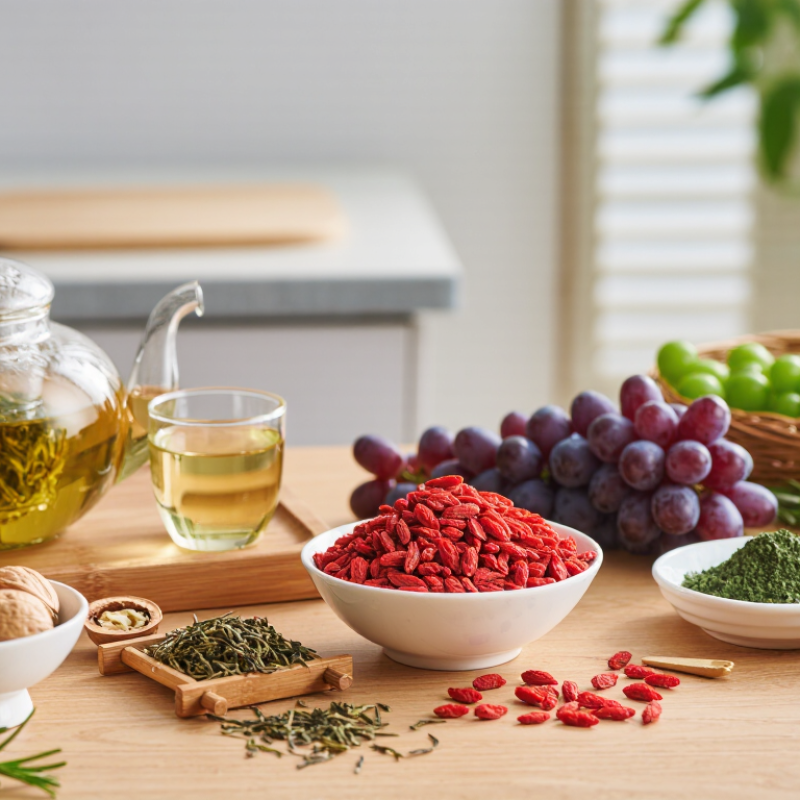
Antioxidants are compounds that help limit damage caused by free radicals. These unstable molecules form naturally during breathing, exercise, immune activity, and exposure to pollution or sunlight. In small amounts, free radicals support normal cell signals. Too many may affect cell membranes, proteins, and DNA. That balance matters.
The human body already produces antioxidant enzymes, including superoxide dismutase and catalase. Food adds useful support. Vitamin C from citrus, peppers, and leafy vegetables works mainly in watery body tissues. Vitamin E protects fatty cell membranes. Carotenoids in carrots and tomatoes, plus polyphenols in tea, beans, and colorful fruits, add different protective actions. Selenium also helps certain antioxidant enzymes function properly.
More is not always better. High-dose supplements can interact with medicines or create unexpected risks. A varied diet usually provides a safer combination than relying on one isolated nutrient. This point is easy to overlook. Research on antioxidant supplements remains mixed, and laboratory results do not always predict human outcomes. Serving size, absorption, cooking methods, health status, and lifestyle all matter. A practical view is better: eat several naturally colorful foods, avoid smoking, sleep adequately, and discuss supplements with a qualified healthcare professional. The science is useful, but it is not perfectly simple.
In China, antioxidants commonly come from ordinary foods rather than exotic supplements. Green tea provides catechins, especially EGCG, which help neutralize unstable molecules called free radicals. Vitamin C appears in oranges, kiwifruit, pomelo, peppers, and leafy vegetables. These foods often sit beside rice, noodles, fish, or tofu on a family table.
Color matters too. Tomatoes and watermelon supply lycopene, while purple sweet potatoes, black rice, grapes, and blueberries contain anthocyanins. Dark green vegetables add carotenoids such as lutein and beta-carotene. Garlic, onions, and mushrooms contribute other protective plant compounds. Cooking changes them. Light steaming may preserve delicate nutrients, while excessive boiling can reduce some water-soluble vitamin content.
Small choices count.
Antioxidants do not work like an invisible shield. Their effects depend on the whole diet, digestion, sleep, and smoking exposure. Human studies usually support food-based variety more strongly than high-dose antioxidant pills. That distinction is important, although nutrition research still has unanswered questions. A practical meal might include steamed greens, tomato, tofu, and a cup of unsweetened tea. It is simple, affordable, and not always perfectly balanced. Personal needs also vary, especially during pregnancy, illness, or medication use.
There is no universally accepted ranking of antioxidants. The table below summarizes important antioxidant nutrients and plant compounds commonly available in Chinese foods, together with their established biological roles and practical dietary sources.
| Antioxidant or Compound | Common Food Sources in China | How It Helps Protect the Body | Relevant Body Functions | Important Dietary Notes |
|---|---|---|---|---|
| Vitamin C | Citrus fruits, kiwifruit, Chinese cabbage, bell peppers, leafy greens, tomatoes | Neutralizes several reactive oxygen species and helps regenerate vitamin E after it has been oxidized. | Collagen formation, immune function, wound healing, and improved absorption of non-heme iron | Heat and prolonged storage can reduce content. Adults generally need about 75–90 mg daily, depending on sex and life stage. |
| Vitamin E | Peanuts, sesame seeds, sunflower seeds, vegetable oils, almonds, wheat germ | Protects polyunsaturated fatty acids in cell membranes and lipoproteins from oxidative damage. | Cell membrane stability, immune response, and protection of lipid-rich tissues | Absorption is better when consumed with dietary fat. High-dose supplements may increase bleeding risk in some people. |
| Carotenoids | Carrots, pumpkin, sweet potatoes, spinach, bok choy, mustard greens | Some carotenoids can quench singlet oxygen and scavenge free radicals; beta-carotene can be converted to vitamin A. | Vision, immune function, epithelial health, and cell protection | Cooking with a small amount of oil may improve absorption. Food sources are preferred to high-dose beta-carotene supplements. |
| Lycopene | Tomatoes, tomato-based dishes, watermelon, pink grapefruit | A lipid-soluble carotenoid that can help neutralize singlet oxygen and other reactive molecules. | Contributes to protection against oxidative stress in lipid-rich tissues | Processed or cooked tomatoes may provide more bioavailable lycopene than raw tomatoes because heat and oil aid release. |
| Tea Catechins | Green tea, white tea, oolong tea, and other minimally processed tea leaves | Polyphenols that can donate hydrogen atoms, bind certain metal ions, and influence cellular antioxidant pathways. | Support for normal cellular defense and vascular function | Unsweetened tea is preferable. Very concentrated extracts can cause adverse effects and should not be treated as equivalent to ordinary tea. |
| Anthocyanins | Blackberries, purple sweet potatoes, black rice, purple cabbage, dark-colored beans | Water-soluble pigments that can scavenge reactive species and may influence inflammatory signaling pathways. | Support for vascular and cellular protection | Content varies with variety, ripeness, storage, and cooking. Whole foods provide fiber and other beneficial compounds. |
| Soy Isoflavones | Soybeans, tofu, tempeh, unsweetened soy milk, and other traditional soy foods | Plant polyphenols that may contribute to antioxidant activity and interact with estrogen receptors. | May support bone and cardiovascular health as part of an overall balanced diet | Evidence varies by health outcome. Traditional soy foods are generally preferred over concentrated extracts. |
| Selenium | Seafood, eggs, meat, dairy products, cereals, and legumes | Required for selenoproteins such as glutathione peroxidases, which help control hydrogen peroxide and lipid peroxides. | Thyroid hormone metabolism, immune function, and antioxidant enzyme activity | The selenium content of plant foods varies considerably with soil. Excessive intake can be toxic, so supplementation should be cautious. |
| Zinc | Shellfish, meat, dairy products, beans, nuts, seeds, and whole grains | Supports antioxidant defense indirectly through enzyme structure, cellular signaling, and protection of protein sulfhydryl groups. | Immune function, DNA synthesis, wound healing, and normal growth | Zinc is not a direct free-radical scavenger. Long-term high-dose supplementation can interfere with copper absorption. |
| Garlic Organosulfur Compounds | Fresh garlic, garlic shoots, chives, onions, and other allium vegetables | Sulfur-containing compounds may influence cellular defense enzymes and reduce oxidation-related signaling. | Support for normal cardiovascular and cellular defense processes | Crushing garlic and allowing it to stand briefly before cooking may help preserve formation of some active compounds. |
Oxidative stress occurs when reactive molecules outnumber the body’s protective defenses. These molecules can damage cell membranes, proteins, and DNA. Antioxidants help by donating electrons without becoming unstable themselves. This action can interrupt damaging chemical reactions. Vitamin C works mainly in watery tissues, while vitamin E protects fatty cell membranes. Carotenoids and polyphenols may also support these defenses.
The body produces enzymes such as superoxide dismutase and catalase. Dietary antioxidants support this internal network, but they do not make cells invincible. A varied diet can provide vitamin C from citrus fruits, vitamin E from seeds, and carotenoids from colorful vegetables. Research suggests that food sources are generally more dependable than high-dose supplements. The evidence is not perfectly simple. Antioxidants may behave differently according to dose, health status, and cellular location.
Tips: Fill half your plate with colorful vegetables and fruit. Add nuts, seeds, beans, or whole grains regularly. Avoid assuming that more supplements mean better protection. Ask a qualified healthcare professional before using concentrated products, especially with ongoing medical treatment. Small, consistent choices matter.
Chinese antioxidant foods can support major body systems through nutrients, fiber, and plant compounds.
The China Dietary Guidelines (2022) recommend 300–500 grams of vegetables and 200–350 grams of fruit daily. Dark leafy greens, tomatoes, citrus, black rice, soybeans, and tea provide vitamin C, carotenoids, anthocyanins, and polyphenols. These compounds help manage oxidative stress, which can affect cells and tissues.
The cardiovascular system may benefit from potassium, soluble fiber, and unsaturated fats found in vegetables, beans, seeds, and fish. Vitamin C and folate also support normal immune function and blood formation. Meanwhile, fiber feeds beneficial gut bacteria, linking antioxidant-rich meals with digestive health. The World Health Organization recommends at least 400 grams of fruits and vegetables each day, excluding potatoes and similar tubers. However, antioxidant scores from laboratory tests cannot reliably predict disease prevention in humans. I would not call every colorful food protective. That claim is too neat. Whole dietary patterns have stronger evidence than isolated antioxidant supplements, according to nutrition research reviewed by public health agencies.
Tips: Fill half your plate with vegetables, adding one fruit portion later. Steam greens briefly to limit nutrient loss. Rinse tea leaves and avoid heavily sweetened drinks. Black rice can replace part of refined rice. Individual needs differ, especially with kidney disease, allergies, or medication use. A registered dietitian can help adjust portions safely.
Antioxidant protection begins with absorption, not with a large number on a label. Foods such as berries, leafy vegetables, beans, tea, and nuts contain different antioxidant compounds. Their effects depend on the food matrix, preparation, and the person eating them. For example, a small amount of healthy fat may improve the absorption of fat-soluble compounds. Heat can also help release some nutrients, but excessive cooking may reduce others.
Gut health matters. Digestive conditions, age, medication use, and mineral status can change how antioxidants enter the bloodstream. A meal containing fiber may slow digestion and influence absorption. Meanwhile, smoking, poor sleep, chronic stress, and ongoing inflammation can increase oxidative pressure. The same serving may not work equally for everyone.
More is not always better. High-dose supplements can behave differently from food and may interfere with certain medicines. Clinical evidence also varies between antioxidant types, doses, and health conditions. A laboratory result does not automatically predict protection inside the human body. That assumption deserves reconsideration. I would examine diet quality, dosage, timing, and medical history before judging effectiveness. Even water intake and an empty or full stomach may alter tolerance and absorption. Small details matter.
Recommended dietary allowances for adult men, expressed in milligrams per day. Selenium is converted from 55 μg to 0.055 mg for scale comparison.
Supports antioxidant protection in body fluids and helps regenerate vitamin E. High supplemental doses may be absorbed less efficiently.
Protects cell membranes from lipid oxidation. Because it is fat-soluble, absorption is generally improved when consumed with dietary fat.
Supports antioxidant defense indirectly through enzyme activity and normal immune function. Phytates in some plant foods can reduce zinc absorption.
Forms part of glutathione peroxidase and other selenoproteins that help control oxidative damage. Excess intake can be harmful.
Reference values: U.S. National Institutes of Health, Office of Dietary Supplements. Recommended amounts vary by age, sex, pregnancy, health status, and local dietary standards. Intake above the recommended level does not necessarily provide greater antioxidant protection.
Antioxidants are compounds that help limit damage caused by unstable molecules called free radicals. The body makes some antioxidant enzymes naturally. Food adds useful support.
Free radicals form during breathing, exercise, immune activity, pollution exposure, and sunlight. Small amounts support normal cell signals. Excess amounts may affect cell membranes, proteins, and DNA.
Common choices include green tea, citrus fruits, peppers, tomatoes, leafy vegetables, beans, and mushrooms. Black rice, purple sweet potatoes, grapes, and blueberries provide colorful plant compounds. Ordinary foods are enough.
Vitamin C mainly works in watery body tissues. Vitamin E helps protect fatty cell membranes. Carotenoids, polyphenols, and selenium support different protective processes.
Vegetables, beans, seeds, and fish provide fiber, potassium, and unsaturated fats. These nutrients support cardiovascular health and normal digestion. Fiber also feeds beneficial gut bacteria.
A practical target is at least 400 grams of fruits and vegetables daily. Some dietary guidance suggests 300–500 grams of vegetables and 200–350 grams of fruit. Needs vary.
Cooking changes nutrient content. Brief steaming may preserve delicate nutrients better than prolonged boiling. For example, overboiled leafy greens may lose some water-soluble vitamin C.
Not necessarily. High-dose supplements may interact with medicines or create unexpected risks. A varied diet usually offers a safer nutrient combination. The evidence remains mixed, and I would avoid promising too much.
Try steamed greens, sliced tomato, tofu, and unsweetened tea. Replace part of refined rice with black rice. Add fruit later. It is practical, though not perfectly balanced.
People with kidney disease, allergies, pregnancy, illness, or medication use should seek qualified advice. Personal absorption and nutrient needs differ. Food advice is not always one-size-fits-all.
Antioxidants are natural compounds that help the body manage oxidative stress, a process that can damage cells when unstable molecules accumulate. The human body produces some antioxidants, while others come from foods commonly enjoyed in China, including green tea, berries, leafy vegetables, beans, whole grains, and colorful fruits. These foods may provide polyphenols, vitamin C, vitamin E, carotenoids, and other protective nutrients. Understanding how do antioxidants protect the human body involves recognizing their role in neutralizing free radicals and helping maintain the stability of cells, proteins, and genetic material.
A diet rich in varied antioxidant foods can support the immune system, cardiovascular health, brain function, skin condition, and overall cellular maintenance. However, antioxidant benefits depend on factors such as food freshness, cooking methods, meal composition, digestion, individual health, and nutrient absorption. Eating a balanced diet with diverse plant foods is generally more useful than relying on a single nutrient, because antioxidants may work together in different ways throughout the body.

TreonFit Nutrition